
Introduction
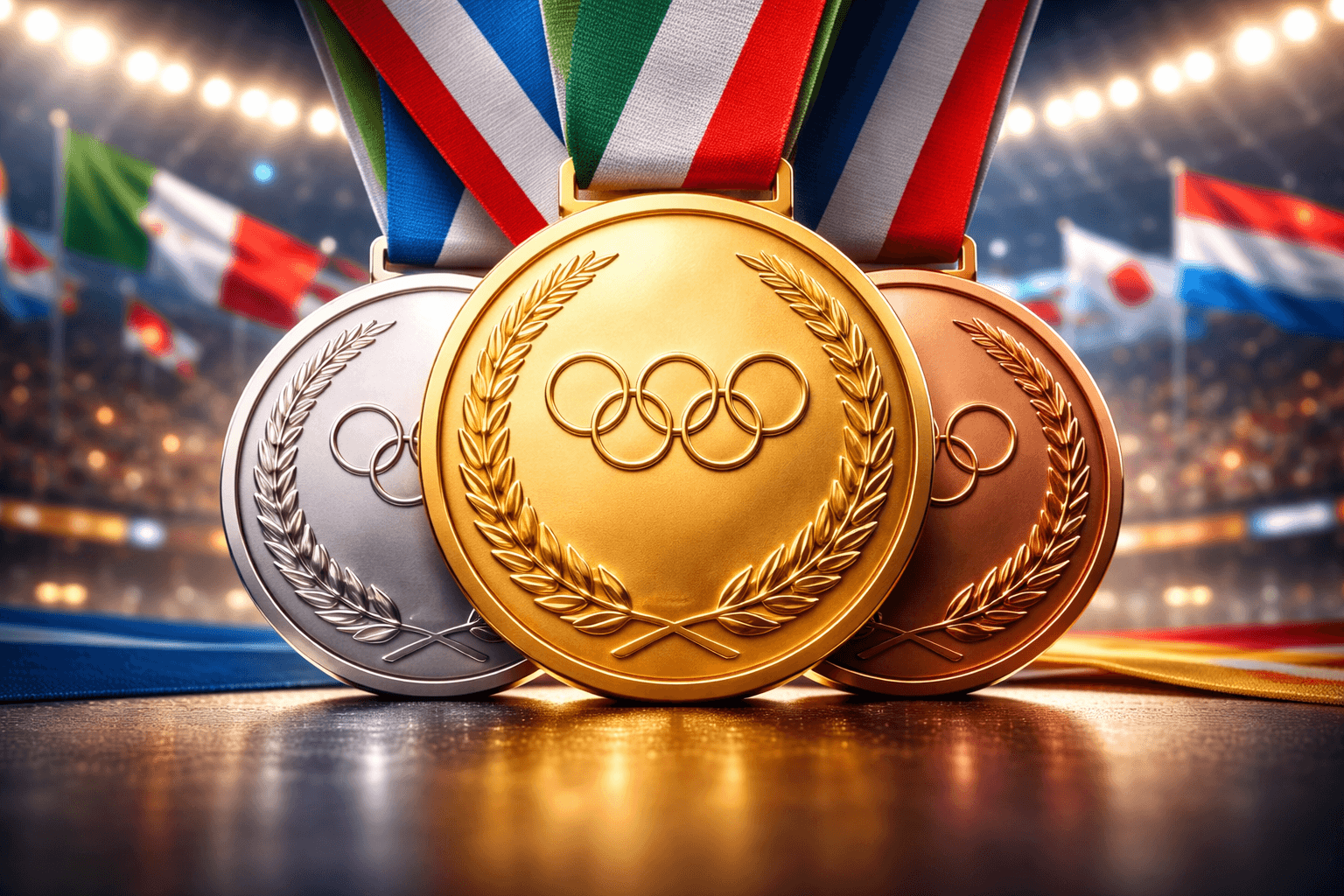
Olympic medals have always symbolized the highest level of athletic achievement. But this year’s Olympic medals are worth more than ever, both in material value and global significance. Risingട് precious metal prices, expanded athlete rewards, and increased commercial opportunities have transformed Olympic medals into assets with lasting financial and cultural impact.
This article explains why Olympic medals are more valuable today, what they are actually worth, and how modern athletes benefit beyond the podium 🏅.
Why Olympic Medals Are More Valuable This Year
Several factors have contributed to the increased worth of Olympic medals in the current Olympic cycle.
1. Rising Gold and Silver Prices
Global prices for gold and silver have surged in recent years due to inflation, economic uncertainty, and strong investor demand. Since Olympic medals contain significant amounts of precious metals, their intrinsic value has naturally increased.
Even bronze medals—made primarily of copper—benefit from rising commodity prices.

2. Higher Prize Money for Medal Winners
Many countries now offer record-breaking cash rewards to Olympic medalists. Governments, sports federations, and private sponsors provide bonuses that can range from thousands to millions of dollars, depending on the country and event.
This means an Olympic medal today often represents:
Lifetime financial security
Sponsorship deals
Government benefits and pensions
3. Sponsorships and Endorsements
In the digital era, Olympic success leads to global visibility. Medalists frequently sign endorsement deals with:
Sports brands
Health and fitness companies
Global advertisers
Social media platforms have amplified athlete influence, turning Olympic winners into international brands.

What Are Olympic Medals Made Of?
While Olympic medals are not solid gold, their composition still holds significant value.
Medal Composition Overview:
Gold medals: Mostly silver with gold plating
Silver medals: High-purity silver
Bronze medals: Copper-based alloy
The real value comes from prestige, opportunity, and legacy, not just metal content.
Historical vs Modern Medal Value
In the past, Olympic medals were symbolic honors with limited financial impact. Today, the story is very different.
Then vs Now:
| Aspect | Past Olympics | Modern Olympics |
|---|---|---|
| Metal value | Lower | Higher |
| Athlete rewards | Limited | Substantial |
| Global exposure | Traditional media | Digital + global |
| Long-term earnings | Uncertain | Often guaranteed |
This shift explains why medals are now viewed as career-changing achievements.
Economic and Cultural Impact
Olympic medals now influence:
National pride and tourism
Youth participation in sports
Sports funding and infrastructure
Global cultural narratives
Winning a medal can reshape how a country or sport is perceived worldwide 🌍.

Do Athletes Ever Sell Their Medals?
Some athletes choose to sell medals due to personal or charitable reasons. When this happens, medals can fetch very high prices at auction—especially if the athlete is historically significant.
However, most athletes value medals as personal legacy items, not commodities.
What This Means for Future Olympics
With rising metal prices, expanding commercial opportunities, and global digital reach, Olympic medals are likely to become even more valuable in future Games.
Experts expect:
Higher athlete compensation
Increased sponsorship competition
Growing global viewership
Frequently Asked Questions (FAQ)
❓ Are Olympic gold medals made of solid gold?
No. They are primarily silver with a gold coating.
❓ Why are Olympic medals more valuable now?
Higher metal prices, athlete bonuses, sponsorships, and global exposure.
❓ Do all countries pay athletes for medals?
Most countries do, but reward amounts vary widely.
❓ Can Olympic medals be sold legally?
Yes, athletes legally own their medals and may sell them if they choose.
4 thoughts on “2026 Olympic Medals Are Worth More Than Ever”