
Introduction
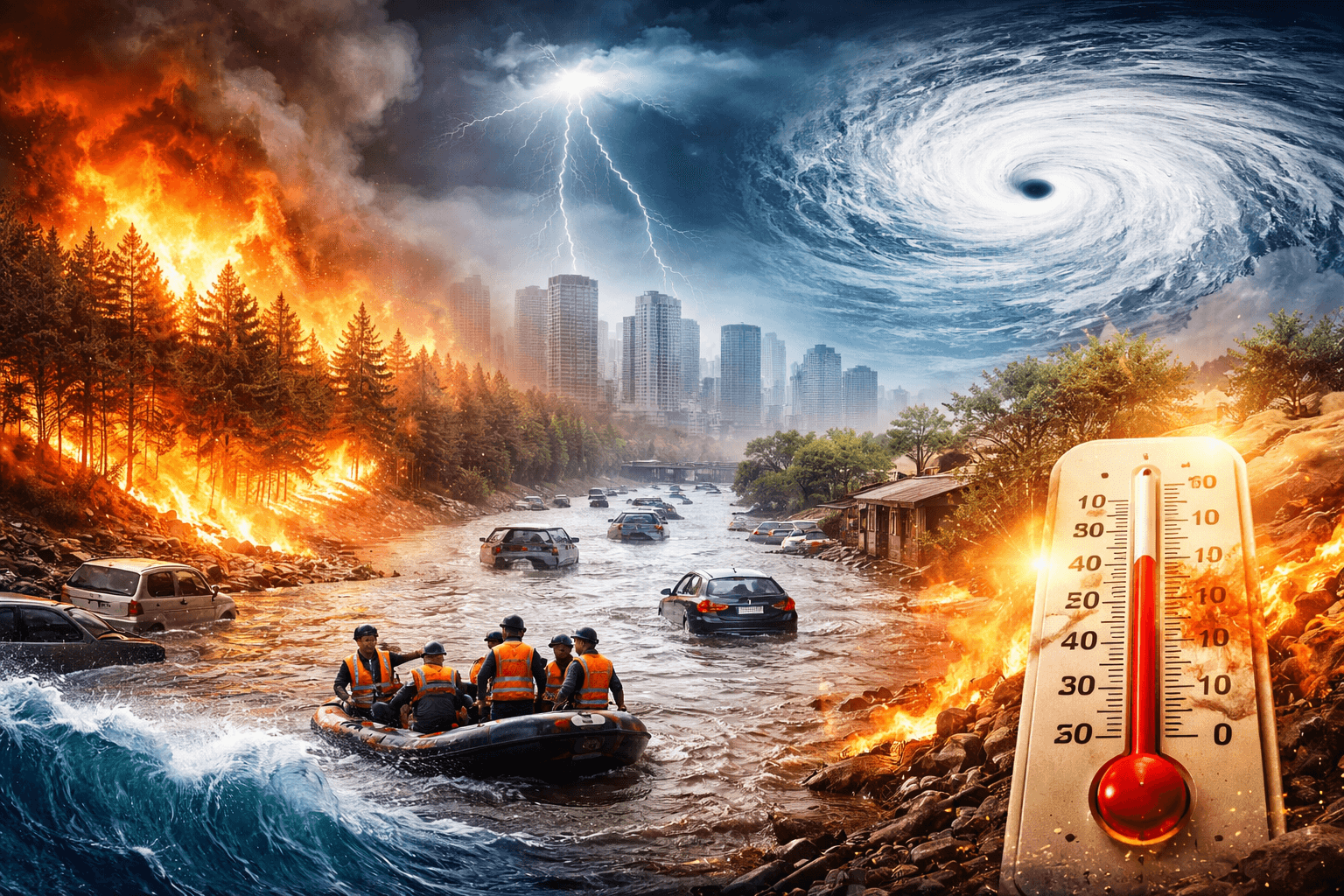
Extreme weather has become one of the most searched and discussed topics globally, as unusual and destructive climate events continue to affect millions of people. From record-breaking heatwaves to catastrophic floods and powerful storms, weather-related crises are no longer rare—they are becoming the new normal.
These events are driving massive spikes in Google searches, social media discussions, and global news coverage. Experts warn that climate change is intensifying weather patterns, making extreme events more frequent and severe than ever before.

1. Record-Breaking Heatwaves Across Continents
Heatwaves have shattered historical temperature records across multiple regions, including Europe, South Asia, and North America. Cities are experiencing prolonged periods of extreme heat, putting pressure on healthcare systems, power grids, and water supplies.
Rising temperatures are linked to:
Increased heat-related illnesses
Wildfires and droughts
Energy shortages
These conditions are pushing “heatwave” and “extreme temperature” searches to the top of Google Trends.
2. Devastating Floods Disrupt Millions of Lives
Unprecedented rainfall has triggered severe flooding in several countries, destroying infrastructure, homes, and farmland. Sudden floods have displaced millions and caused major economic losses.
Flood-related disasters are trending because:
Urban areas are increasingly vulnerable
Drainage systems are overwhelmed
Climate-driven rainfall patterns are intensifying
These events highlight the urgent need for climate-resilient infrastructure.

3. Powerful Storms and Cyclones Intensify
Meteorologists report that tropical storms, cyclones, and hurricanes are becoming stronger and more unpredictable. Warmer ocean temperatures provide more energy, allowing storms to grow rapidly.
Stronger storms lead to:
Coastal damage
Power outages
Long-term economic disruption
Storm tracking and emergency alerts are among the most searched weather-related terms worldwide.
4. Climate Change Drives Weather Extremes
Scientific consensus links the increase in extreme weather events directly to climate change. Rising global temperatures are altering atmospheric and oceanic systems, leading to unstable weather conditions.
Climate-driven impacts include:
Longer droughts
Heavier rainfall
Stronger storms
Melting glaciers
As public awareness grows, searches related to climate change and extreme weather continue to rise.

5. Economic and Food Supply Disruptions
Extreme weather is no longer just an environmental issue—it is an economic one. Crop failures, supply chain disruptions, and rising food prices are increasingly linked to climate-driven weather events.
Weather-related economic impacts include:
Agricultural losses
Rising insurance costs
Disrupted global trade
These consequences are fueling global concern and driving sustained search interest.
6. Governments Issue More Weather Alerts and Warnings
Governments and meteorological agencies are issuing more frequent emergency alerts than ever before. Early warning systems, evacuation notices, and disaster preparedness campaigns are becoming common.
As people seek real-time information to stay safe, weather alerts and disaster-related searches surge during every major event.

What Experts Predict for the Future
Climate scientists warn that extreme weather will continue to intensify unless global emissions are reduced significantly. Adaptation and mitigation strategies are becoming urgent priorities.
Future focus areas include:
Climate-resilient infrastructure
Early warning systems
Global climate cooperation
The way societies respond now will shape long-term outcomes.
Why Extreme Weather Is a Trending Google Topic
Unlike daily weather forecasts, extreme weather events create sudden, high-impact changes that directly affect lives and economies. This drives massive spikes in online searches, news coverage, and social media engagement.
Terms like:
“Extreme weather today”
“Heatwave warning”
“Flood emergency”
“Storm alert”
regularly trend during major climate events.
Conclusion
Extreme weather events have become one of the most powerful drivers of global news and online searches. Heatwaves, floods, storms, and climate-related disasters are no longer isolated incidents—they represent a global pattern tied closely to climate change.
As these events continue to impact daily life, extreme weather will remain a top trending topic on Google, shaping policy, public awareness, and global action for years to come.
Frequently Asked Questions (FAQ)
1. Why is extreme weather trending on Google?
Because extreme weather events cause sudden disruptions, safety concerns, and economic impacts that drive massive search activity.
2. Is climate change responsible for extreme weather?
Scientists agree that climate change significantly increases the frequency and intensity of extreme weather events.
3. Which extreme weather events trend the most?
Heatwaves, floods, hurricanes, wildfires, and severe storms generate the highest search interest.
4. How can people stay informed during extreme weather?
By following official weather agencies, emergency alerts, and reliable news sources.
5. Will extreme weather events increase in the future?
Without major climate action, experts predict extreme weather will become more frequent and severe.