

Biomimetic AI Robot’ Moya Debuts
The field of robotics has reached a remarkable milestone with the introduction of Moya, the world’s first biomimetic artificial intelligence robot capable of achieving 92% human-like walking accuracy. This groundbreaking innovation represents a significant step forward in combining biological movement principles with advanced AI technology.
Developed through cutting-edge engineering and machine learning systems, Moya demonstrates how robotics is rapidly evolving toward creating machines that can move, balance, and interact more naturally within human environments 🌍.
The debut of Moya has attracted attention from researchers, healthcare experts, and technology industries worldwide, as it highlights the growing role of biomimetic robotics in shaping the future of automation, medical support, and intelligent machines.
🧬 What Is Biomimetic Robotics?
Biomimetic robotics focuses on designing robots inspired by biological systems and human anatomy. The goal is to replicate natural movement patterns to improve efficiency, balance, and adaptability.
🌟 Why Biomimicry Matters in Robotics
Biomimetic designs help robots:
Move more naturally and smoothly
Improve energy efficiency
Adapt to real-world environments
Interact safely with humans
Unlike traditional robots that rely on rigid mechanical movements, biomimetic robots like Moya are designed to simulate human muscle coordination and joint flexibility.
🚶♂️ Moya’s Breakthrough Walking Accuracy
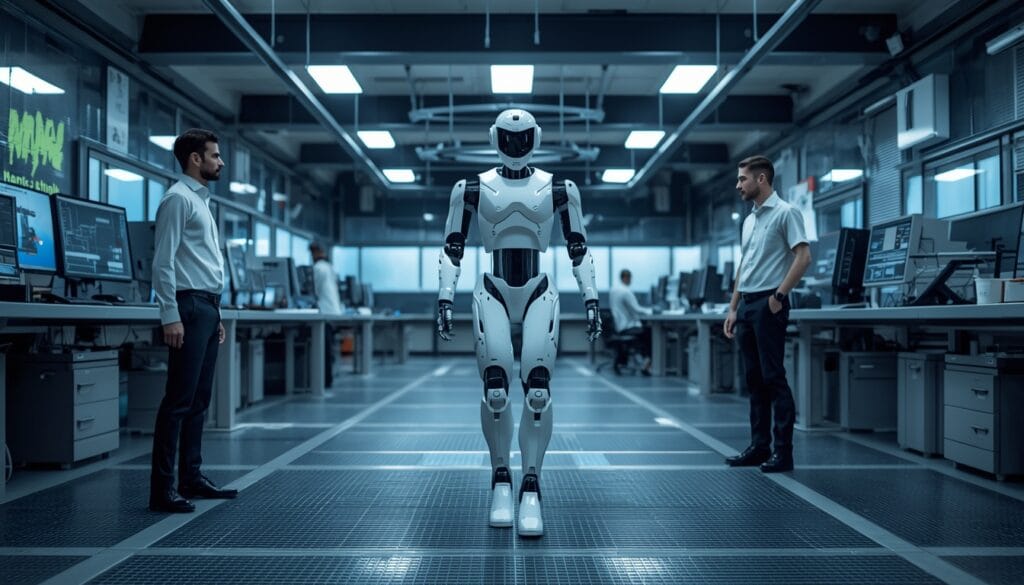
One of Moya’s most impressive achievements is its ability to replicate human walking patterns with 92% accuracy. This level of realism is made possible through advanced AI algorithms and sensor technologies.
🔑 Key Features Behind Moya’s Movement
🤖 AI-Powered Motion Control
Moya uses artificial intelligence to analyze and adjust its walking style in real time. This allows the robot to maintain balance and respond to environmental changes.
🦵 Advanced Joint Mechanics
The robot includes flexible joint systems that mimic human muscles and ligaments, improving movement fluidity.
🧠 Sensor Integration
Moya is equipped with sensors that monitor posture, weight distribution, and ground surface conditions.
⚙️ Machine Learning Adaptation
Through continuous learning, Moya improves its walking efficiency over time.
🌍 Potential Applications of Moya
The development of Moya opens doors to numerous real-world applications across multiple industries.
🏥 Healthcare & Rehabilitation
Biomimetic robots could transform medical treatments and rehabilitation programs.
Possible uses include:
Assisting patients recovering from mobility injuries
Supporting elderly individuals with walking assistance
Helping physiotherapists design personalized recovery plans
Moya’s ability to replicate human movement makes it especially useful for studying physical therapy techniques.
🏭 Industrial Automation
Robots capable of human-like movement can operate in environments designed for humans.
Potential industrial uses:
Working in warehouses
Assisting manufacturing processes
Performing inspection tasks in hazardous environments
🧑🔬 Scientific Research
Researchers can use Moya to better understand human biomechanics and movement patterns.
This research may lead to:
Improved prosthetic limb design
Enhanced wearable medical technologies
Better understanding of movement disorders
🚨 Disaster Response & Rescue
Robots with natural movement abilities can operate in complex terrain during emergencies.
Possible roles include:
Search and rescue operations
Navigating damaged infrastructure
Supporting emergency response teams
🧠 Technology Behind Moya
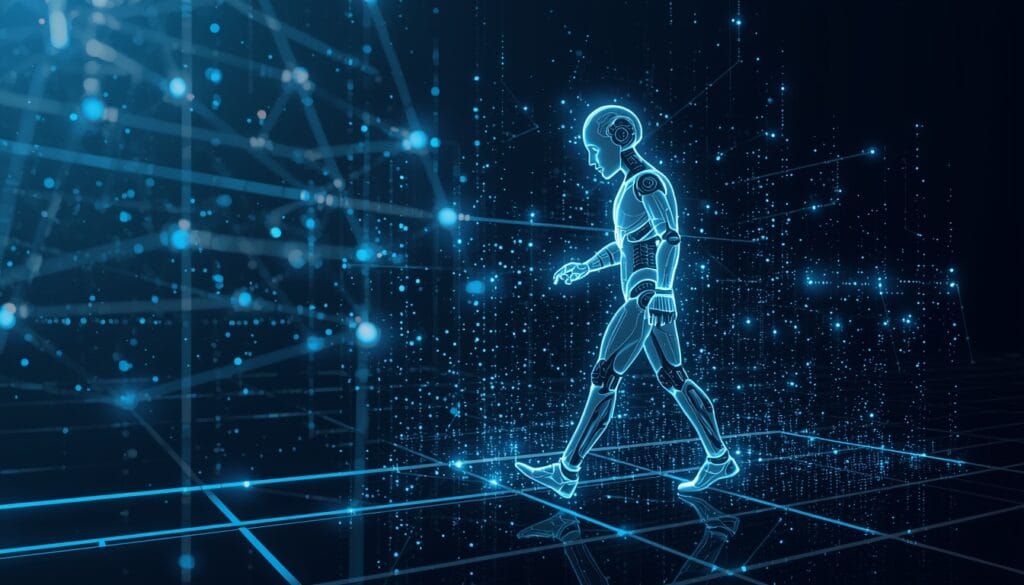
Moya integrates several advanced technologies to achieve realistic movement.
🤖 Artificial Intelligence
AI algorithms process movement data and enable adaptive walking strategies.
📊 Motion Capture Technology
Human walking patterns are analyzed using motion capture systems and translated into robotic movement models.
⚡ High-Efficiency Actuators
Specialized actuators simulate muscle-like motion for smoother walking performance.
🌐 Real-Time Environmental Processing
Moya uses computer vision and sensor data to adjust its movements instantly.
📈 Why Moya Represents a Major Robotics Breakthrough
The introduction of Moya reflects rapid advancements in robotics engineering.
🌟 Key Achievements
High walking realism
Improved robot-human interaction potential
Expansion of medical robotics applications
Advancement in AI learning models
Experts believe biomimetic robots could soon become common in both professional and everyday environments.
⚖️ Challenges Facing Biomimetic Robotics
Despite its impressive performance, biomimetic robotics still faces several challenges.
🔍 Technical Challenges
High development costs
Complex mechanical systems
Energy efficiency limitations
🧭 Ethical Considerations
Ensuring safe human-robot interaction
Defining boundaries for autonomous decision-making
Addressing societal concerns about automation
🔮 Future of Human-Like Robots
The development of robots like Moya suggests a future where AI-powered machines integrate seamlessly into daily life.
Potential future advancements include:
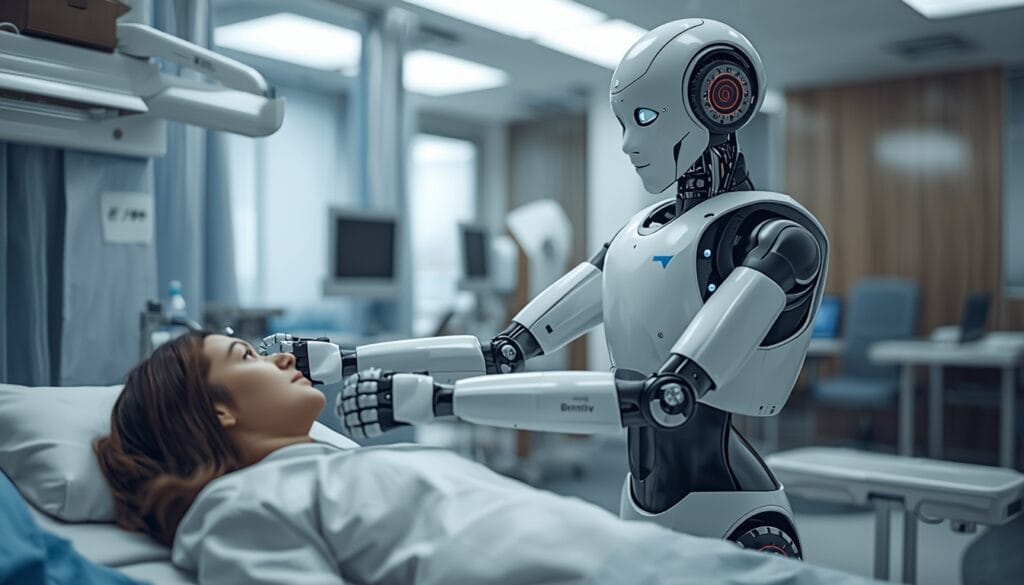
Robots assisting in healthcare facilities
AI companions for elderly care
Autonomous robots performing complex tasks
Improved robotic prosthetics and exoskeletons
As robotics continues to evolve, biomimetic technology may redefine how humans interact with intelligent machines 🤝.
❓ Frequently Asked Questions (FAQs)
🔹 What is Moya biomimetic robot?
Moya is an AI-powered humanoid robot designed to replicate human walking patterns using advanced biomimetic technology.
🔹 How accurate is Moya’s walking ability?
Moya achieves approximately 92% accuracy in simulating natural human walking movement.
🔹 What industries could benefit from biomimetic robots?
Healthcare, scientific research, industrial automation, and disaster response sectors could benefit significantly.
🔹 Are biomimetic robots safe for human interaction?
Engineers design these robots with safety mechanisms, but continuous testing and regulations remain important.
🔹 Is robotics technology allowed for AdSense content?
Yes. Educational and informational robotics content complies with Google AdSense policies.