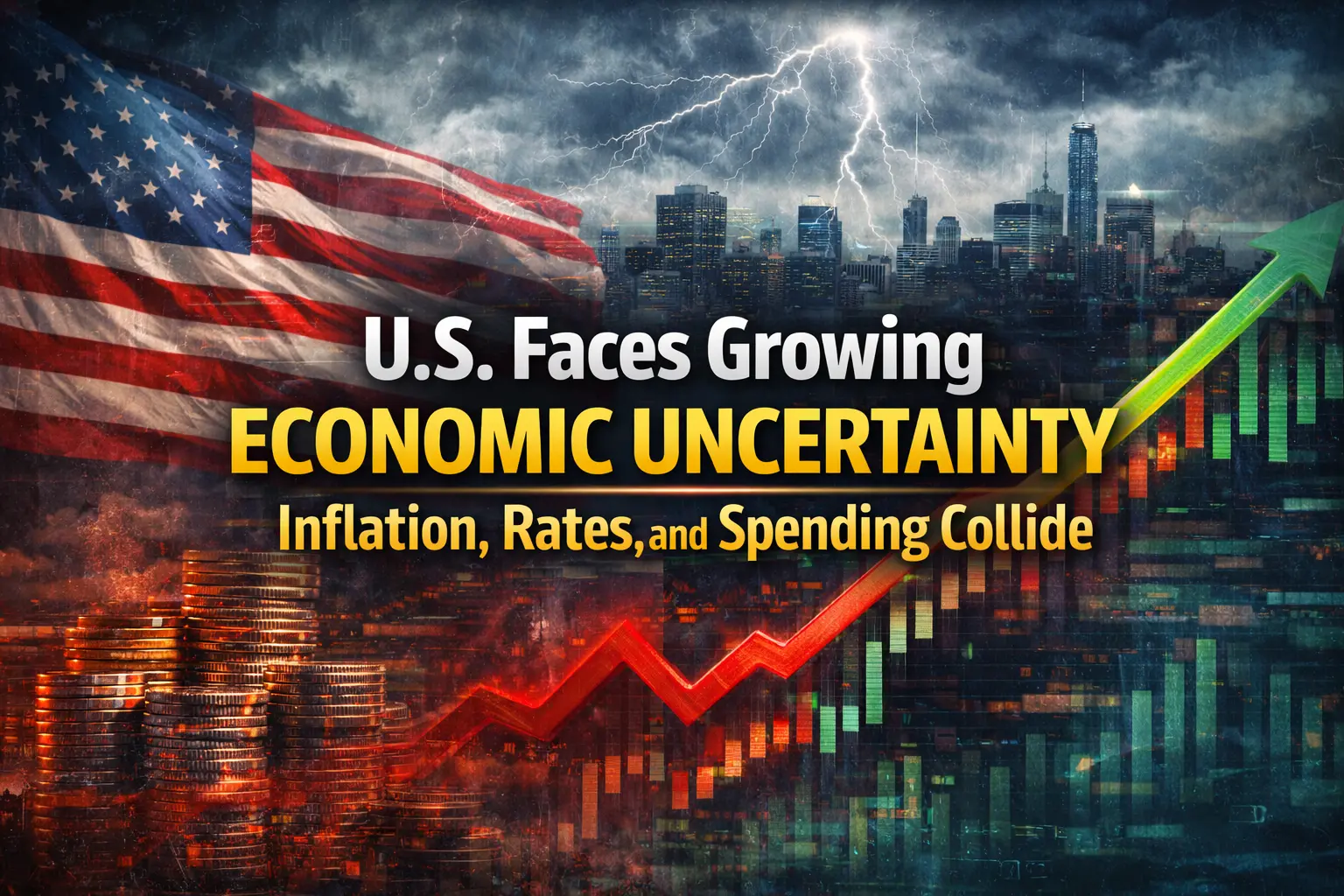
Introduction: A Fragile Moment for the U.S. Economy
The United States is entering a critical economic phase marked by rising uncertainty, conflicting data signals, and growing concern among households, businesses, and investors. Inflation has cooled from its peak but remains stubborn in key areas, interest rates are still elevated, and consumer spending — long considered the backbone of the American economy — is showing signs of strain.
Economists warn that while the U.S. has avoided a full-scale recession so far, the balance is becoming increasingly delicate. Small changes in inflation, labor markets, or monetary policy could significantly alter the country’s economic trajectory.
Inflation: Cooling, But Not Gone
Inflation has been one of the most defining economic challenges in recent years. While headline inflation has moderated compared to earlier spikes, core prices for essentials such as housing, healthcare, and food remain high.
Key inflation pressures include:
Rising rent and housing costs
Higher insurance and healthcare expenses
Persistent food price volatility
Energy price fluctuations linked to global events
For many American families, the cost of living remains noticeably higher than it was just a few years ago. Even modest price increases now feel heavier as household savings decline.

Federal Reserve’s Interest Rate Dilemma
At the center of economic uncertainty is the Federal Reserve, which continues to walk a tightrope between fighting inflation and avoiding economic slowdown.
Higher interest rates have:
Increased mortgage and auto loan costs
Reduced business borrowing
Slowed real estate activity
Tightened credit conditions
While rate hikes have helped cool inflation, they also risk slowing economic growth too much. Policymakers face mounting pressure to decide whether to maintain current rates, cut them, or hold steady longer than markets expect.
Consumer Spending Shows Mixed Signals
Consumer spending has remained surprisingly resilient, but cracks are starting to appear. Credit card debt has climbed, savings rates have declined, and more households are cutting back on discretionary purchases.
Trends economists are watching:
Reduced spending on non-essential goods
Increased reliance on credit
Shift toward budget-conscious shopping
Declining consumer confidence surveys
Retailers report that shoppers are becoming more selective, prioritizing necessities over luxury or impulse purchases. This shift could significantly impact economic growth if it accelerates.
Labor Market: Strong but Slowing
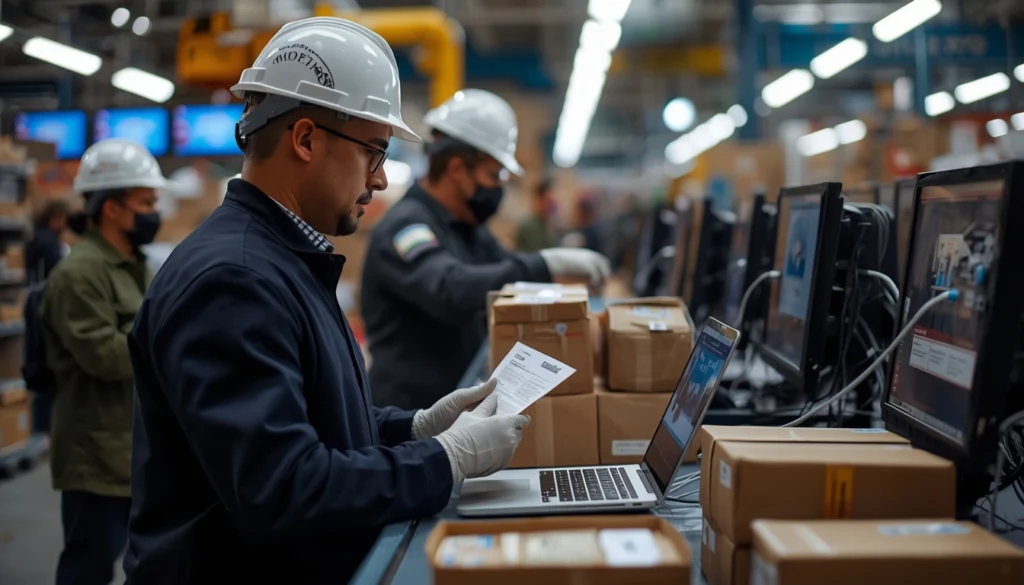
The U.S. labor market remains relatively strong, with unemployment staying low by historical standards. However, job growth has begun to slow, and hiring momentum is uneven across sectors.
Notable labor trends:
Slower hiring in technology and finance
Continued demand in healthcare and services
Wage growth stabilizing
More cautious employer outlooks
A cooling labor market could help ease inflation but may also weaken consumer confidence if job security declines.
Business Confidence Under Pressure
Businesses across the U.S. are operating in a climate of uncertainty. Rising costs, borrowing challenges, and unpredictable demand have made long-term planning more difficult.
Small and medium-sized businesses, in particular, face:
Higher financing costs
Supply chain adjustments
Pressure on profit margins
Reduced expansion plans
Executives are increasingly delaying major investments until economic signals become clearer.
Financial Markets React to Uncertainty

U.S. financial markets have been volatile as investors respond to shifting economic expectations. Stock prices have fluctuated as traders weigh inflation data, Federal Reserve signals, and corporate earnings.
Bond markets have also reflected uncertainty, with yields responding sharply to economic reports and policy statements. Analysts say markets are especially sensitive to any indication of future rate cuts or extended tight monetary policy.
Housing Market Struggles Continue
The housing sector remains one of the most affected areas of the economy. High mortgage rates have significantly reduced affordability, keeping many buyers on the sidelines.
Key housing challenges include:
Limited inventory
Elevated borrowing costs
Slower home sales
Pressure on renters
While prices have stabilized in some regions, affordability remains a major concern nationwide.
Global Factors Add More Risk
The U.S. economy does not operate in isolation. Global economic slowdowns, geopolitical tensions, and supply chain disruptions continue to influence domestic conditions.
International events can:
Impact energy prices
Disrupt trade flows
Affect investor confidence
Influence inflation trends
These external risks add another layer of complexity to economic forecasting.
What Experts Are Saying
Economists are divided on what comes next. Some believe the U.S. can achieve a “soft landing,” where inflation cools without triggering a recession. Others warn that prolonged high interest rates could eventually slow growth more sharply.
Most agree on one point: the margin for error is shrinking.
What This Means for Americans
For everyday Americans, economic uncertainty translates into cautious decision-making. Many households are delaying major purchases, focusing on debt reduction, and adjusting budgets to account for ongoing price pressures.
Financial advisors recommend:
Building emergency savings
Avoiding high-interest debt
Monitoring interest rate changes
Staying informed about economic trends
Looking Ahead: A Pivotal Period
The coming months will be critical for the U.S. economy. Inflation data, Federal Reserve decisions, and consumer behavior will all play decisive roles in shaping the outlook.
Whether the economy stabilizes or slips into deeper trouble will depend on how effectively policymakers balance inflation control with economic growth.
Conclusion
The United States is navigating a complex economic landscape defined by uncertainty, cautious optimism, and significant risk. Inflation pressures, interest rate policy, and consumer confidence are all intersecting at a moment that could shape the country’s financial future.
As Americans adapt to evolving conditions, staying informed and prepared will be essential in an economy where change remains the only constant.
❓ FAQs
Q: Why is the U.S. economy uncertain right now?
Inflation, high interest rates, and shifting consumer behavior are creating mixed economic signals.
Q: Is the U.S. heading toward a recession?
Economists are divided; while risks exist, a recession is not guaranteed.
Q: How do interest rates affect consumers?
Higher rates increase borrowing costs for mortgages, credit cards, and loans.
1 thought on “U.S. Economic Uncertainty Grows as Inflation, Rates, and Spending Trends Shift 2026”