

Introduction
The U.S.–China talks of 2026 have drawn global attention as tensions and cooperation continue to shape relations between the world’s two largest economies. In a high-level phone call, U.S. President Donald Trump and Chinese President Xi Jinping addressed sensitive issues including Taiwan, trade, and international security, signaling both rivalry and dialogue.
Key Highlights of the U.S.–China Talks 2026
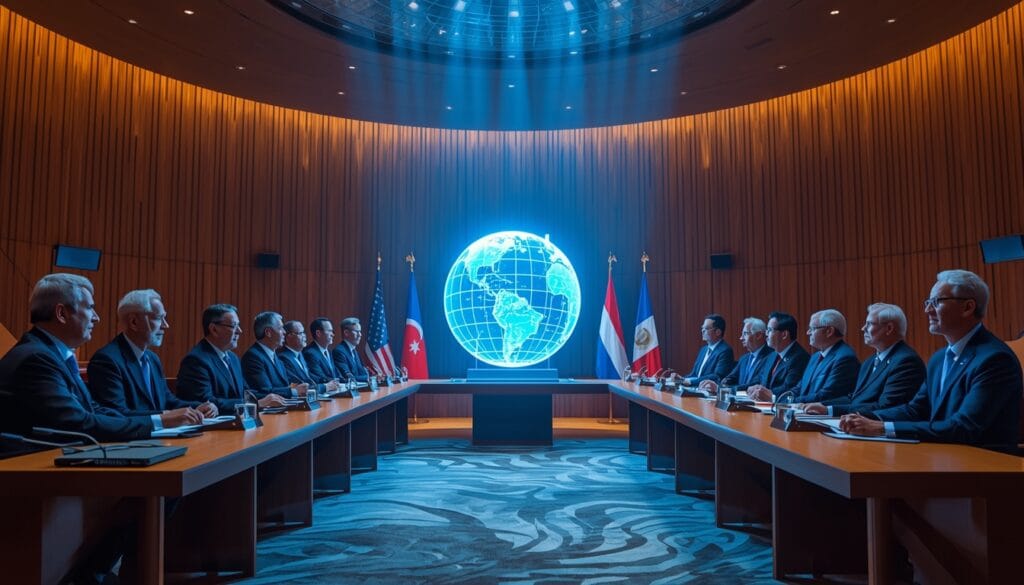
1. Taiwan Remains the Central Issue
Taiwan once again emerged as the most sensitive topic in U.S.–China relations.
President Xi Jinping urged the United States to act prudently when supplying arms to Taiwan, calling it a core issue for China’s sovereignty.
Meanwhile, Washington reaffirmed its long-standing position of supporting Taiwan’s self-defense, underscoring why Taiwan continues to be a major geopolitical flashpoint in 2026.
2. Trade and Economic Cooperation
Despite political tensions, economic dialogue remains active:
China signaled openness to increasing U.S. agricultural imports, including soybeans
Both sides expressed interest in stabilizing trade relations
Supply chains, tariffs, and market access remain key discussion points
Trade-related discussions are especially important as global markets watch U.S.–China relations closely for signs of stability or disruption.
3. Strategic Competition Beyond Trade
The talks also reflected deeper strategic competition:
The U.S. is working with allies to reduce dependence on China for critical minerals
China continues to expand its influence in Asia and global institutions
Technology, defense, and energy security remain areas of quiet rivalry
This mix of cooperation and competition defines the current phase of U.S.–China relations.
4. Global Security and Diplomacy
Beyond bilateral issues, the leaders reportedly discussed broader global challenges:
The Ukraine conflict
Middle East tensions
International stability and diplomacy
These discussions highlight how U.S.–China talks now influence nearly every major global issue.
Why the U.S.–China Talks Matter in 2026
The outcome of U.S.–China engagement affects:
Global markets and trade
Asia-Pacific security
Technology and supply chains
Geopolitical stability worldwide
With a potential Trump visit to Beijing later in 2026, analysts expect diplomacy to intensify in the coming months.
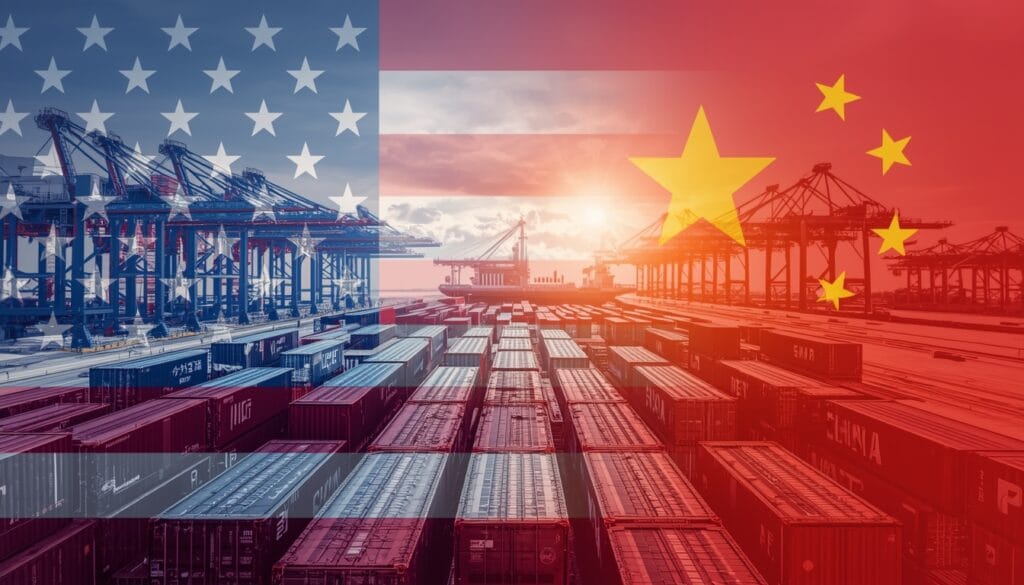
What to Expect Next
Continued high-level dialogue between Washington and Beijing
Possible economic agreements to ease market uncertainty
Ongoing tensions over Taiwan and regional security
The U.S.–China relationship in 2026 is best described as competitive, cautious, but unavoidable.
Conclusion
The U.S.–China talks of 2026 underline the complexity of modern geopolitics. While disagreements over Taiwan and strategic influence remain sharp, both sides recognize the need for communication. How these talks evolve will shape global politics, trade, and security for years to come.
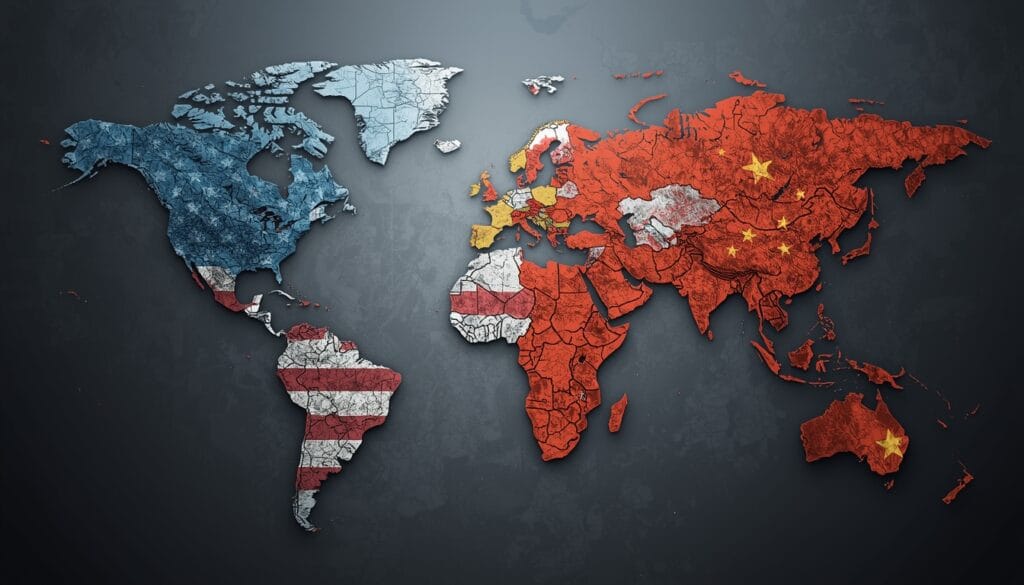
Frequently Asked Questions (FAQs)
1. What are the U.S.–China talks in 2026 about?
The U.S.–China talks in 2026 focus on key global issues including Taiwan security, trade relations, economic cooperation, and international stability. The discussions aim to manage tensions while maintaining diplomatic communication between the two nations.
2. Why is Taiwan central to U.S.–China relations?
Taiwan is a major flashpoint because China considers it part of its territory, while the United States supports Taiwan’s self-defense. Any U.S. arms sales to Taiwan often trigger strong reactions from Beijing.
3. Did Trump and Xi Jinping speak directly in 2026?
Yes. U.S. President Donald Trump and Chinese President Xi Jinping held a high-level phone call in February 2026, discussing Taiwan, trade, and broader geopolitical issues.
4. How do U.S.–China talks affect global markets?
U.S.–China relations directly influence global trade, supply chains, technology markets, agriculture, and investor confidence. Even small diplomatic shifts can impact stocks, commodities, and international business.
5. What role does trade play in U.S.–China talks?
Trade remains a key topic, including:
Agricultural exports such as U.S. soybeans
Supply chain security
Tariffs and market access
Both countries aim to avoid economic instability while protecting their strategic interests.
Discover the excitement and win big with exclusive bonuses at fairspin casino.
Users are empowered to check the fairness of game results themselves, avoiding dependence on the casino’s assurances.
Для быстрого и эффективного избавления от неприятных соседей воспользуйтесь услугами профессиональное уничтожение клопов, чтобы вернуть дому комфорт и спокойствие.
Частыми местами скопления являются мебель, трещины в обоях и за плинтусами.
s1dg75
Планируя поездку в Вена зимой, загляните на рождественские ярмарки Вена 2024 и Вена рождественские ярмарки 2025 — они дарят особую атмосферу праздника. Среди нескольких смотровых площадок вена, смотровая площадка Вена на башне сумасшедших и дворец правосудия вена обеспечивают отличные обзоры города. Если планируете совместить экскурсию с комфортом, имеет смысл воспользоваться экскурсионным трамваем Вена или электричкой S7 Вена расписание которой легко найти онлайн.
Для тех, кто интересуется достопримечательностями Вена карта достопримечательностей будет особенно полезной, особенно если у вас время ограничено — маршрут Вена за 1 день на карте поможет спланировать поездку. Обязательно загляните на Марияхильферштрассе Вена, откройте для себя венскую национальную еду, а после планируйте поездку на Вена на Новый год или проведите время у пляжа Вена. Детальные сведения и расписания читайте здесь достопримечательности вена .
“spintax_text”: “Если вы готовите поездку в Париж, не пропустите на блошиные рынки Парижа — они великолепно воссоздают атмосферу города и нередко таят настоящие сокровища. Для тех, кто интересуется культурой, бесплатные музеи Парижа — отличный способ познакомиться с искусством без дополнительных затрат, особенно стоит посетить музей Массена и его виллу. Также важно знать, в каких районах Парижа можно гулять, например, 15 округ является достаточно комфортным для туристов. Заметим, если хотите узнать, как попасть в Версаля из Парижа самостоятельно, здесь есть детальные рекомендации и маршруты сколько чаевых давать во франции: советы для туристов .”
“Не забудьте про важные туристические моменты — например, сколько оставлять на чай во Франции: советы для туристов дадут возможность избежать неловких ситуаций в ресторанах. Для тех кто любит историю советую посетить замки Луары и обязательно посетить Лувр, где можно рассмотреть самыми известными экспонатами. На память о городе можно сфоткаться с известной скульптурой человека, проходящего сквозь стену, а вечером пройтись у дворца Трокадеро с видом на Эйфелеву башню.”
Way better than what I was using before—lucky spins 1 actually loads without constant freezing and the whole experience feels less buggy overall, plus thier customer service is way more helpfull when you have questions.
Букмекеры сегодня предлагают широкие возможности для спортивных ставок: футбол, теннис, баскетбол и даже киберсоревнования. Надёжные БК работают легально и привлекают игроков высокими коэффициентами и приветственными фрибетами. Вы можете играть онлайн — с ПК или через приложение на телефоне. Лайв-ставки добавляют адреналина: выбирайте одиночные ставки, экспрессы или системы. Пополнение счёта и вывод денег проходят без задержек. Изучайте аналитику, сравнивайте букмекеров и выбирайте тактику — от вилок до гандикапов и ставок на тотал.
Читайте также про
ставки с телефона
Good day everyone, I wanted to share my thoughts on mu888 which I have been using for a few weeks now. The platform operates quite smoothly and the interface is intuitive for users of all experiance levels. The support team has been responsive to my inquiries. I believe this is worth exploring if you are looking for an alternative. Best regards.
I was skeptical about [url=https://10bet-online.com/]10Bet[/url] at first because ive been burned before but man was i suprised, the whole thing actually works smooth and the interface isnt a nightmare like most sites
Tried it but im still not 100% sure if its worth all the hype yet, seems ok so far and the layout is decent but gonna give it more time before i make a final desision batara vip login alternatif