
Introduction
The Nipah virus has once again drawn global attention as health authorities monitor new cases and strengthen surveillance systems. First identified in the late 1990s, the virus remains a public health concern due to its high fatality rate and lack of a specific treatment or vaccine. Recent alerts have renewed discussions around preparedness, early detection, and containment strategies.
This article explains what the Nipah virus is, why it matters today, and how governments and health organizations are responding
What Is the Nipah Virus?
The Nipah virus is a zoonotic virus, meaning it spreads from animals to humans. It belongs to the Paramyxoviridae family and is naturally hosted by fruit bats, particularly those of the Pteropus species.
Human infections can occur through:
Direct contact with infected animals
Consumption of contaminated food
Person-to-person transmission in close-contact settings
Since its discovery, outbreaks have been reported mainly in South and Southeast Asia.
Recent Developments and Surveillance Efforts
Health authorities have increased monitoring following reports of suspected cases in certain regions. Governments are focusing on:
Contact tracing
Laboratory testing
Isolation protocols
Public awareness campaigns
Global organizations continue to support local health systems by sharing data, resources, and outbreak-response guidelines.
Symptoms and Health Risks
Symptoms of Nipah virus infection can vary in severity. Early signs often include:
Fever
Headache
Muscle pain
Respiratory symptoms
In severe cases, the infection can progress to:
Encephalitis (brain inflammation)
Seizures
Altered consciousness
Because symptoms can resemble other viral illnesses, early diagnosis remains challenging.
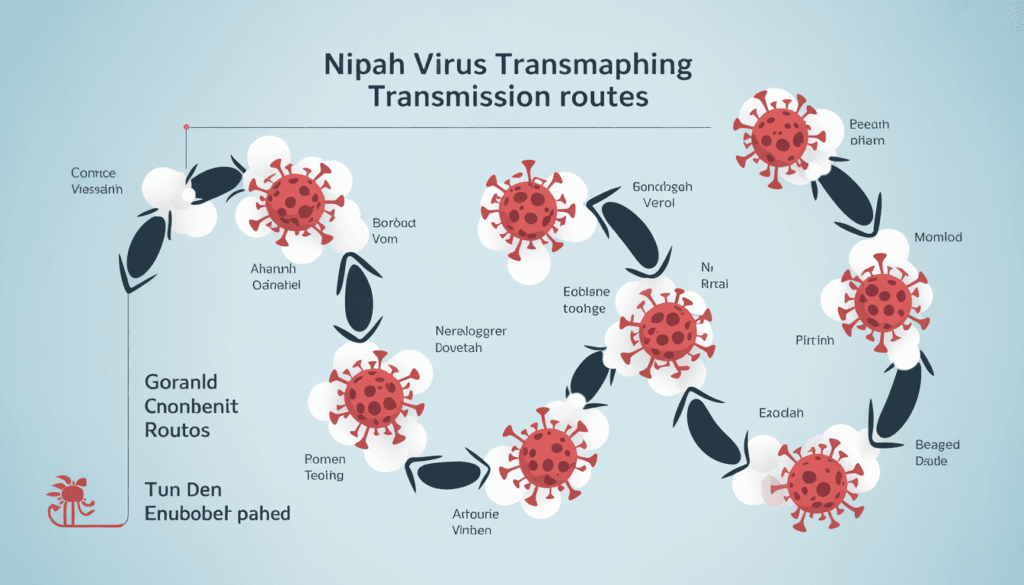
How the Virus Spreads
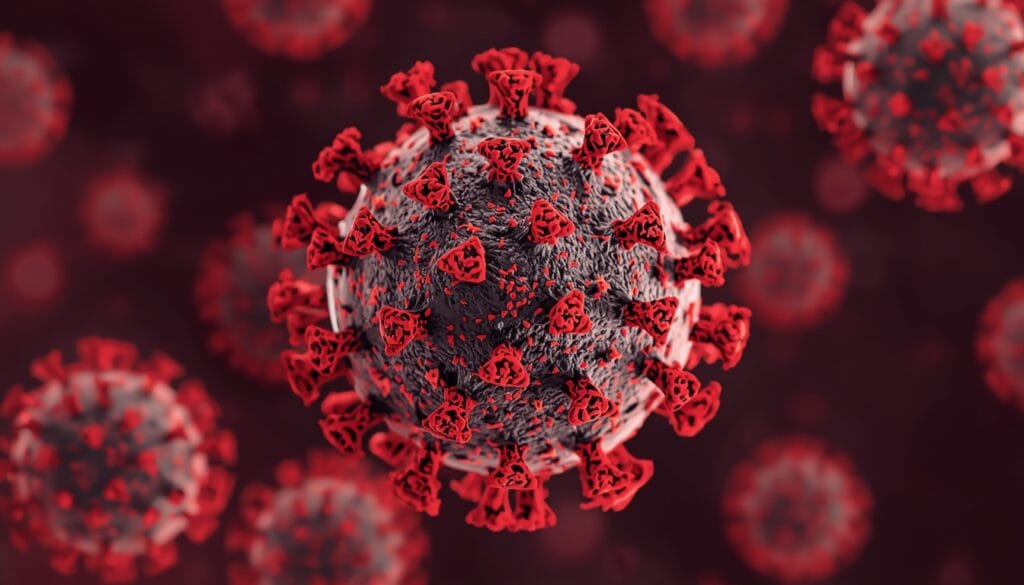
Understanding transmission is key to prevention. The Nipah virus spreads through:
Contact with bodily fluids of infected individuals
Exposure to contaminated fruits or raw date palm sap
Close interaction in healthcare or household environments
Hospitals follow strict infection-control protocols to limit secondary transmission.
Public Health Response and Preparedness
Public health agencies emphasize preparedness rather than panic. Current strategies include:
Rapid response teams
Temporary movement restrictions in affected areas
Training healthcare workers
Community education programs
Researchers are also studying antiviral treatments and vaccine candidates, though none are approved yet.
Why the Nipah Virus Matters Globally
Although outbreaks are usually localized, the virus is listed by global health agencies as a priority pathogen due to:
High mortality rates
Potential for wider spread
International cooperation plays a vital role in reducing long-term risks.
Prevention Measures for the Public
Health experts advise practical precautions:
Avoid consuming unprocessed fruit products
Maintain hygiene and handwashing
Follow official health advisories
Seek medical care if symptoms appear after exposure
Public awareness is one of the strongest tools against outbreaks.
Frequently Asked Questions (FAQ)
Frequently Asked Questions (FAQ)
No. Current evidence shows it spreads through close contact, not through airborne transmission.
Is the Nipah virus airborne?
At present, there is no approved vaccine, though research is ongoing.
Can Nipah virus outbreaks be contained?
Yes. Early detection, isolation, and public cooperation have proven effective in past outbreaks.
Which regions are most affected?
Outbreaks have mainly occurred in parts of South and Southeast Asia.
Conclusion
Conclusion
The Nipah virus remains a serious but manageable public health challenge. With timely reporting, strong healthcare systems, and public cooperation, outbreaks can be controlled effectively. Ongoing research and international collaboration continue to shape preparedness efforts worldwide.
📌 People also read:
Understanding Emerging Zoonotic Diseases
How Global Health Systems Respond to Viral Outbreaks
Early Warning Signs of Infectious Diseases