

NASA has officially confirmed the presence of water at the Moon’s south pole, marking a major breakthrough in lunar science and exploration. The discovery strengthens plans for future human missions, including a crewed lunar landing targeted for 2028. While the finding offers hope for sustainable space exploration, experts warn that significant technical and environmental challenges must still be overcome.
The announcement represents a critical step forward in humanity’s return to the Moon, but it also highlights the complexity of long-term lunar missions.
How NASA Discovered Water on the Moon
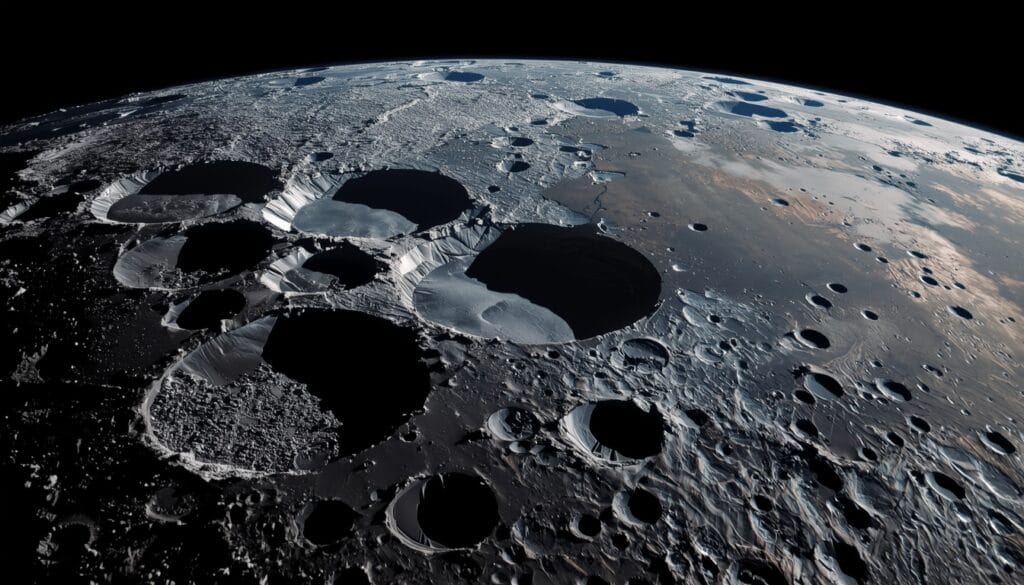
The confirmation comes from years of data collected by lunar orbiters and surface instruments. Scientists detected water ice trapped within permanently shadowed craters near the Moon’s south pole—regions that never receive direct sunlight.
These extremely cold areas preserve ice deposits that may have existed for billions of years. Advanced sensors analyzed light reflections and chemical signatures, providing strong evidence that water is present rather than just trace hydrogen.
Why the Moon’s South Pole Matters
The Moon’s south pole is now considered one of the most valuable locations for space exploration. Unlike other lunar regions, it offers:
Access to water ice
More stable temperatures
Extended sunlight exposure on nearby ridges
Water is essential for drinking, oxygen production, and creating rocket fuel. Its presence could reduce the need to transport resources from Earth, making future missions more sustainable and cost-effective.
What Water Means for Future Crewed Missions
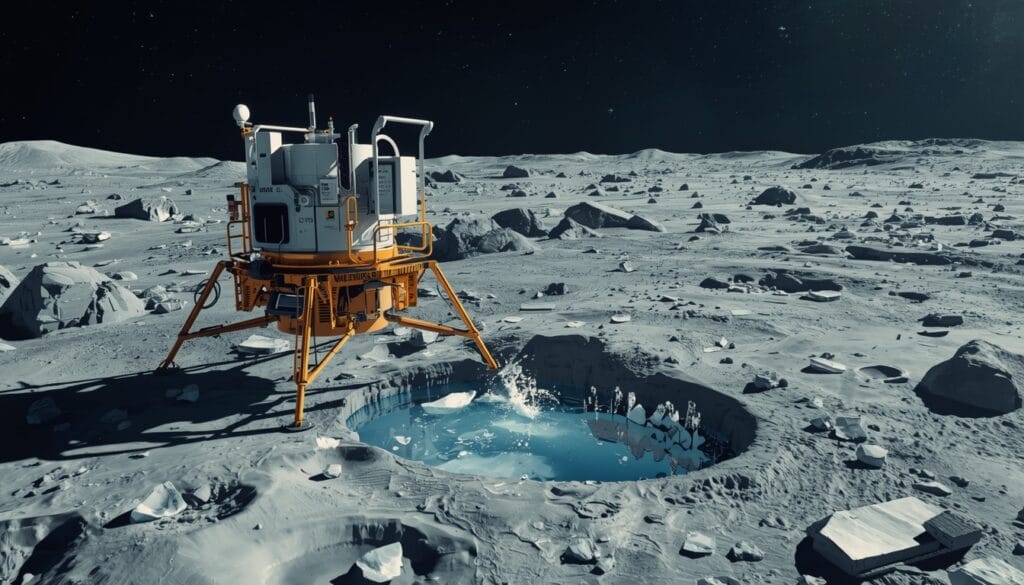
NASA plans to use lunar water as a key resource for long-term human presence on the Moon. If extracted successfully, water could support astronauts and enable deeper exploration of space, including future missions to Mars.
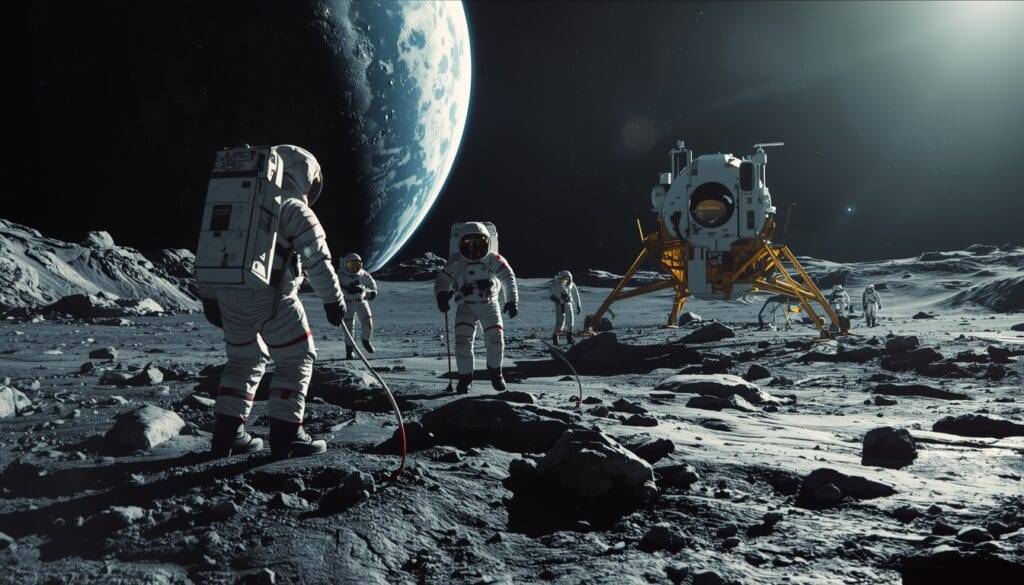
The agency’s 2028 crewed mission aims to land astronauts near the south pole, where they will study the water deposits and test resource-utilization technologies.
Technical Challenges of Lunar Water Extraction
Despite the excitement, extracting water from the Moon is far from simple. The ice is located in extreme environments with temperatures reaching hundreds of degrees below freezing.
Engineers must develop systems capable of operating in darkness, extreme cold, and rough terrain. Transporting heavy equipment and ensuring astronaut safety remain major obstacles.
Safety Concerns for Astronauts
The Moon’s south pole presents unique hazards. Craters, uneven terrain, and limited visibility increase mission risk. Additionally, prolonged exposure to radiation and lunar dust poses health concerns for astronauts.
NASA continues to test new spacesuits, vehicles, and habitats designed to withstand these conditions, but many technologies are still in development.
International Interest in Lunar Exploration
NASA’s discovery has sparked renewed global interest in lunar exploration. Space agencies and private companies are now accelerating plans to explore the Moon, raising questions about cooperation, competition, and governance.
International partnerships may play a key role in sharing costs, technology, and scientific data for future missions.
Why the 2028 Timeline Is Ambitious
While NASA has set 2028 as a target for a crewed south-pole mission, experts caution that delays are possible. Budget constraints, technical setbacks, and safety reviews could push timelines back.
However, NASA officials remain optimistic, emphasizing that each step forward builds valuable experience for future deep-space missions.
What This Means for Space Exploration
The confirmation of water on the Moon changes the future of space travel. It opens the door to permanent lunar bases and positions the Moon as a staging ground for missions beyond Earth.
Scientists believe this discovery could redefine how humanity explores and utilizes space resources.
Hope for the Future, With Risks Ahead
NASA’s confirmation of water on the Moon’s south pole is a historic achievement that fuels optimism about humanity’s future in space. Yet the challenges of extracting resources and safely sending astronauts remain significant.
As preparations continue, the world will be watching closely to see whether hope can overcome the hurdles that lie ahead.
❓ FAQs
Q1: Has NASA confirmed water on the Moon?
Yes, NASA has confirmed water ice at the Moon’s south pole.
Q2: Why is lunar water important?
Water supports human life and can be used to produce oxygen and fuel.
Q3: When is NASA planning a crewed Moon mission?
NASA aims to conduct a crewed mission near the Moon’s south pole by 2028.
Q4: Where is the water located on the Moon?
The water is trapped in permanently shadowed craters near the south pole.
Q5: What challenges does the mission face?
Extreme cold, rough terrain, safety risks, and technical limitations.
ugziqz