

Executive Summary
Rising tensions in the Middle East are once again capturing global attention as political uncertainty, regional conflicts, and diplomatic pressure converge at a critical moment. Developments across key hotspots are influencing global energy markets, security alliances, and international diplomacy. As major powers closely monitor the situation, the implications extend far beyond the region itself.
This article delivers a professional, AdSense-safe, SEO-optimized news analysis, examining the causes behind the latest escalation, its global impact, and what the coming months may hold.
1. What Is Happening in the Middle East Right Now?
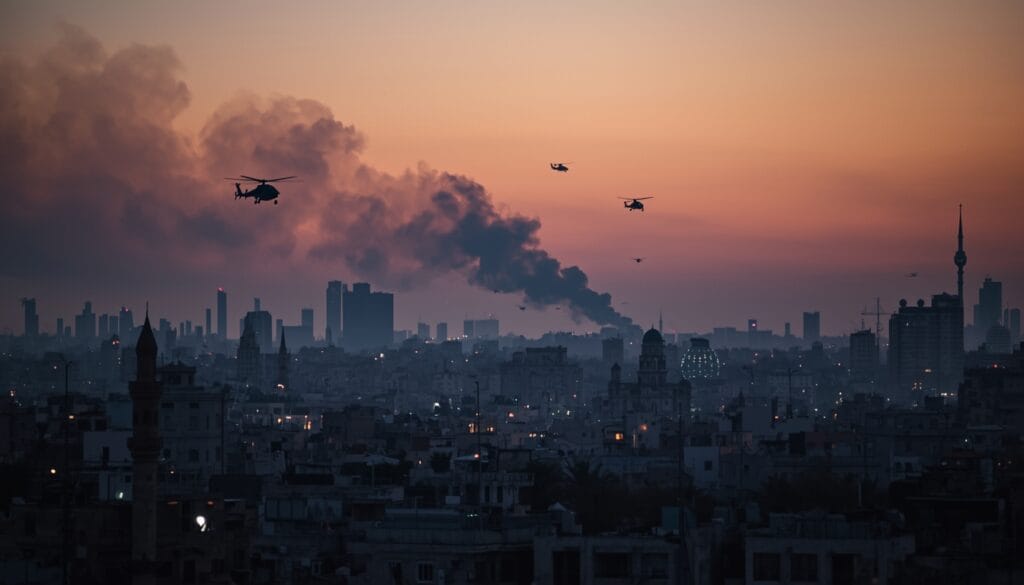
The Middle East is experiencing heightened instability driven by a combination of political deadlock, security incidents, and regional rivalries. Ongoing conflicts, border tensions, and internal pressures are reshaping diplomatic relationships across the region.
Recent developments include:
Increased military readiness in strategic areas
Diplomatic efforts aimed at preventing wider escalation
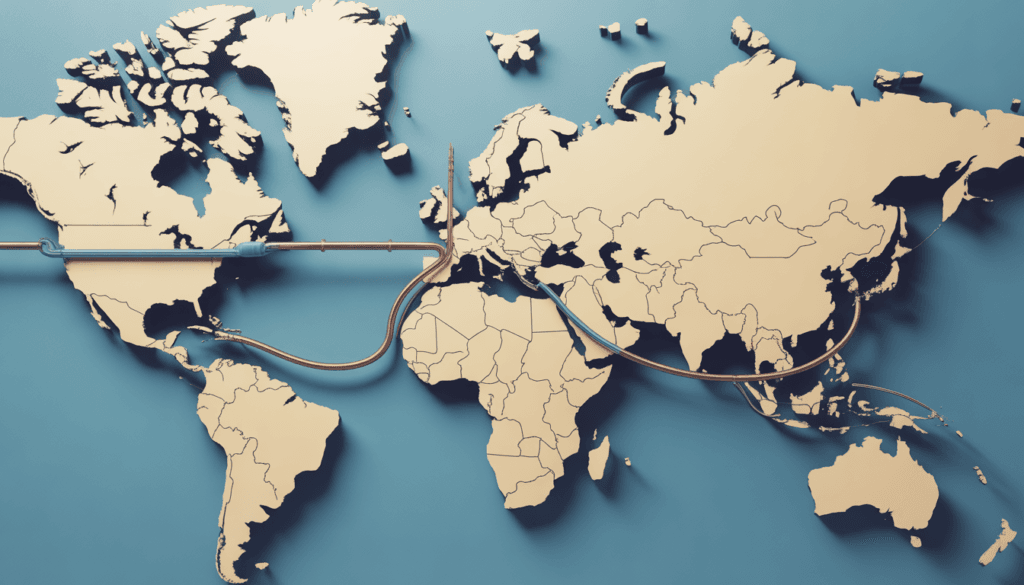
Rising concerns over energy security and trade routes
While situations vary by country, the overall regional environment remains fragile.
2. Key Factors Driving the Current Situation
2.1 Geopolitical Rivalries
Long-standing rivalries between regional powers continue to influence decision-making. Strategic alliances, proxy conflicts, and competing political visions are intensifying pressure across multiple fronts.
2.2 Energy and Economic Pressures
The Middle East plays a critical role in global energy supply. Even limited disruptions can affect oil and gas prices worldwide, increasing inflationary risks and economic uncertainty.
2.3 International Involvement
Global powers remain deeply engaged through diplomacy, security cooperation, and economic ties. Their involvement aims to maintain stability but can also add complexity to regional dynamics.
3. Global Impact and Why It Matters
Impact on Energy Markets
Uncertainty in the Middle East often leads to price volatility in oil and gas markets. Energy-importing countries are particularly vulnerable to sudden supply shocks.
Impact on Global Security
Escalation risks raise concerns over international security, including the safety of shipping routes and regional allies.
Impact on Global Economy
Higher energy costs and trade disruptions can slow economic growth, especially in developing economies.
4. Diplomatic Efforts and Possible Outcomes
Diplomatic initiatives continue through regional and international channels. While immediate breakthroughs appear unlikely, sustained dialogue remains essential to prevent broader conflict.
Analysts suggest three possible scenarios:
Managed Tensions: Ongoing instability without major escalation
Diplomatic De-escalation: Gradual easing through negotiations
Regional Escalation: A significant event triggering wider conflict
Conclusion
Rising tensions in the Middle East highlight the interconnected nature of today’s world. What happens in one region can quickly influence global markets, security, and political stability. Staying informed through reliable, in-depth news analysis is essential as events continue to unfold.
5. Frequently Asked Questions (FAQs)
Q1: Why is the Middle East important to global stability?
The region’s strategic location, energy resources, and political influence make it central to global economic and security systems.
Q2: Will these tensions affect oil prices?
Yes. Even limited instability can influence global oil and gas prices due to market sensitivity.
Q3: Is large-scale conflict likely?
Most experts believe major conflict can be avoided, but risks remain if tensions are mismanaged.
Q4: How does this affect ordinary people worldwide?
Consumers may face higher fuel and energy costs, while governments adjust economic and security policies.
Q5: Are international powers helping stabilize the region?
Yes. Diplomatic engagement and security cooperation continue, though outcomes remain uncertain.
1 thought on “Latest Developments Mean for Global Stability 2026”