

📰 Japan Snap Election 2026: Governing Party Projected to Win Majority
Japan’s governing party, the Liberal Democratic Party (LDP) led by Prime Minister Sanae Takaichi, is projected to secure a strong majority in the country’s snap lower-house election held on February 8, 2026, according to multiple exit polls and media forecasts. This result would give the LDP-led coalition significant control over parliament and empower the government to pursue its legislative agenda with broad public support
🗳️ What Happened in the Snap Election — Quick Overview
Prime Minister Sanae Takaichi dissolved Japan’s lower house of parliament just three months into her tenure, calling a snap general election meant to solidify her government’s mandate. This rare early election was driven by a desire to reinforce political stability after small majorities, economic uncertainty, and recent electoral setbacks.
Exit polls and media projections show that the LDP and its coalition partner, the Japan Innovation Party (Ishin), are on track to win well above the 233 seats required for a majority in the 465-seat House of Representatives. According to public broadcaster NHK and other Japanese outlets, the LDP could capture between 274 and 328 seats on its own, with the broader coalition potentially securing over 300 seats — significantly above the simple majority threshold.
The projected victory represents a strong endorsement of Takaichi’s leadership and political strategy, even as weather conditions such as record snowfall affected voter turnout in some regions.
🧑💼 Who Is Sanae Takaichi?
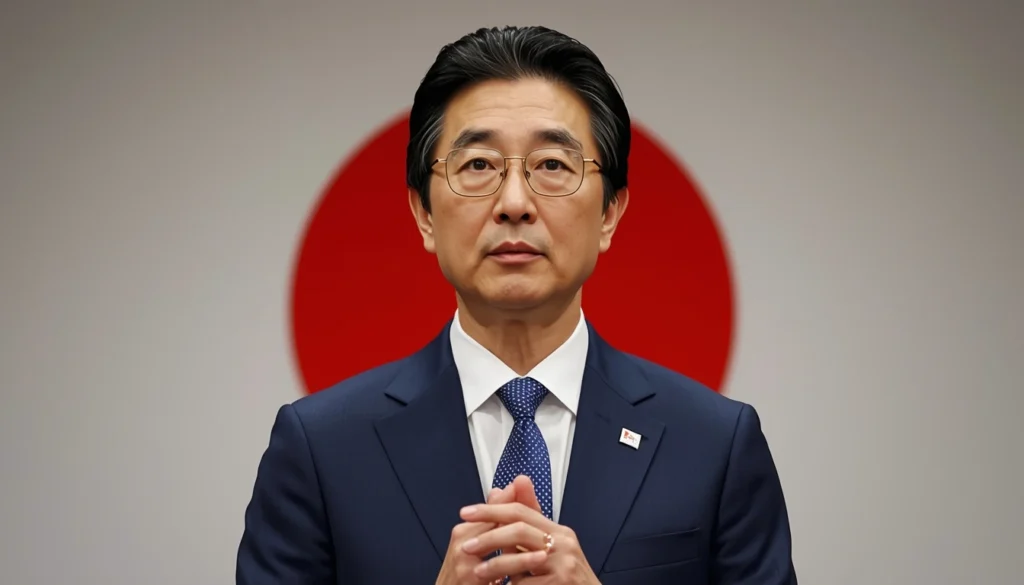
Sanae Takaichi is Japan’s first female prime minister, having assumed office in October 2025 after winning leadership of the LDP. Before calling the snap election, her government struggled with a slim majority, economic challenges and fragmented opposition politics.
Supporters have praised Takaichi for her decisive action to seek a fresh mandate and for focusing on economic stimulus measures, tax relief, and policies aimed at strengthening national security. Critics, however, warn that some proposed policies — including stricter immigration controls and potential changes to Japan’s post-war pacifist constitution — could spark controversy domestically and abroad.
📊 Election Results — What the Numbers Show
Here’s how the projections stood shortly after polls closed:
📉 Breakdown (Exit Poll Based)
Liberal Democratic Party (LDP): Estimated 274–328 seats
LDP + Japan Innovation Party (Ishin): Potential 300+ seats
Total Seats in Lower House: 465
Majority Threshold: 233 seats
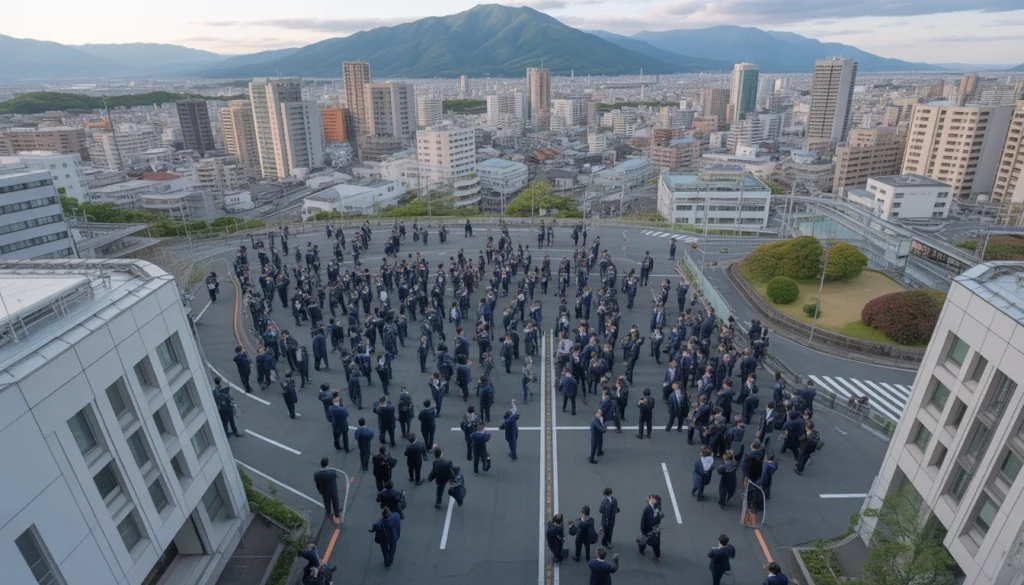
If these projections hold, it would mark a convincing victory for Takaichi’s governing bloc — possibly the largest since the LDP’s dominant eras of the late 20th and early 21st centuries.
🧠 What This Election Victory Means
🧱 Stronger Legislative Power
By controlling a majority of seats in the House of Representatives, the ruling coalition will be better positioned to:
Pass key budgetary and economic reform legislation
Advance national security policies
Influence committee leadership and parliamentary processes
If the coalition secures a two-thirds majority (about 310 seats), it could override upper-house objections on major bills and potentially pursue constitutional amendments — a historically sensitive and significant step.
📈 Economic and Social Policy Direction
Takaichi’s platform emphasized measures to boost the economy, such as:
Cost-of-living stimulus
Temporary food tax reductions
Expanded defense spending
These policies reflect a blend of fiscal and security priorities that many voters said influenced their choices — especially amid inflation and geopolitical uncertainty.
🧩 Opposition Parties and Shifting Political Landscape
The Centrist Reform Alliance (CRA) — a newly formed opposition group combining elements from older parties — is projected to suffer significant losses, reflecting deep divisions in opposition ranks and suggesting the coalition may enjoy political dominance for the near future.
Regional nationalist and conservative parties also increased attention on issues such as immigration and foreign labor, though they remain smaller players relative to the LDP-Ishin bloc.
🌏 International Reactions and Implications
Japan’s election outcome has global implications:
🇨🇳 Relations with China
Takaichi’s more assertive stance on regional security, especially regarding Taiwan policy, has drawn criticism from Beijing. Analysts warn that a stronger conservative government could heighten tensions in East Asia.
🇺🇸 U.S.–Japan Security Cooperation
With U.S. calls for increased defense spending and cooperation, the new majority could provide Tokyo with the political backing to deepen strategic ties — particularly in response to regional challenges.
🌍 Economic Confidence
Investor sentiment often reacts to political certainty. A larger parliamentary majority can reassure markets concerned about economic stagnation and long-term debt dynamics, though caution remains given Japan’s aging population and structural economic hurdles.
🧾 How Voter Turnout and Weather Affected the Election
Japan’s snap election unfolded amid heavy winter weather in parts of the country, including snowstorms that had the potential to disrupt voting. Despite these challenges, exit polls still pointed to a decisive result for the governing party, illustrating voter engagement despite adverse conditions.
📈 What Comes Next
With projections favoring a clear majority:
Takaichi is expected to continue in office
Key Cabinet appointments may be reaffirmed or reshuffled
Legislative priorities will be reviewed in line with voter expectations
However, official results may still shift slightly as vote counting completes and final tallies are released.
🧠 Conclusion
Japan’s 2026 snap general election appears to have delivered a strong victory for the governing Liberal Democratic Party and its coalition partner, reaffirming Prime Minister Sanae Takaichi’s political standing just months after she assumed power. With a projected majority in the lower house, the government is poised to shape economic, social, and security policy in the years ahead — even as critics warn about the balance between stability and civil liberties.
❓ FAQs
Q: Why did Japan hold a snap election in 2026?
Prime Minister Sanae Takaichi dissolved the lower house early to seek a stronger mandate and stabilize politics amid economic and parliamentary challenges.
Q: How many seats are needed for a majority in Japan’s lower house?
A simple majority requires 233 of the 465 seats.
Q: What is projected for the ruling coalition?
Exit polls suggest the LDP and its partner could win over 300 seats, securing a strong majority.
Q: What impact could this have internationally?
A stronger Japanese government can influence regional security dynamics and deepen strategic alliances, particularly with the U.S.
pw5kw0