
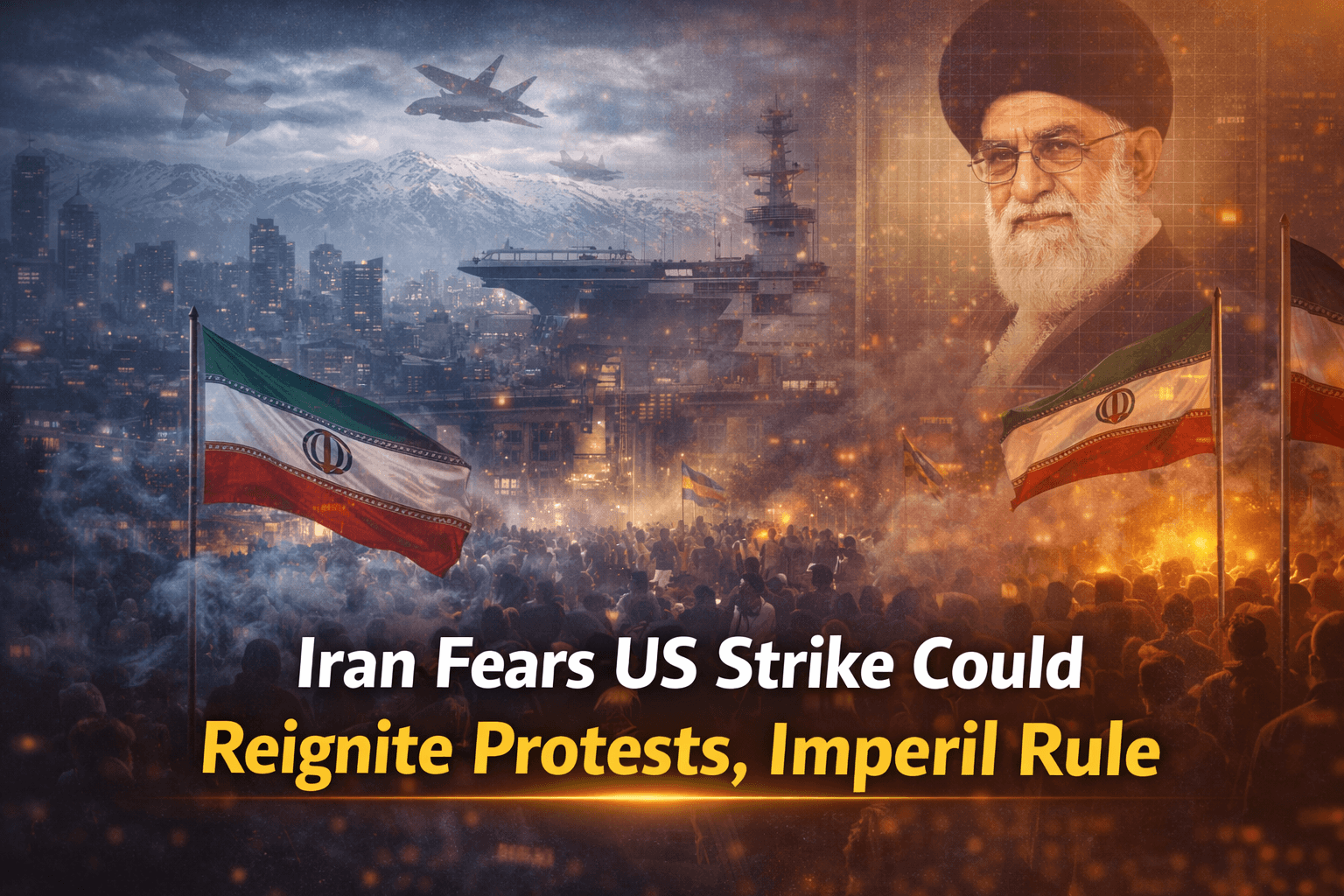
Iran Fears US Strike Could Reignite Protests and Threaten Political Stability
📌 Introduction
Iranian officials are increasingly concerned that a possible U.S. military strike could trigger a new wave of domestic unrest, threatening political stability at a time when the country is already facing economic pressure and public dissatisfaction. According to sources familiar with internal discussions, leaders fear that external conflict could reignite protests similar to those seen in recent years, placing additional strain on governance and public order.
This development highlights how geopolitical tensions and internal politics are deeply interconnected, especially in regions already experiencing social and economic stress.
🔍 Why Iran Is Concerned About a U.S. Strike
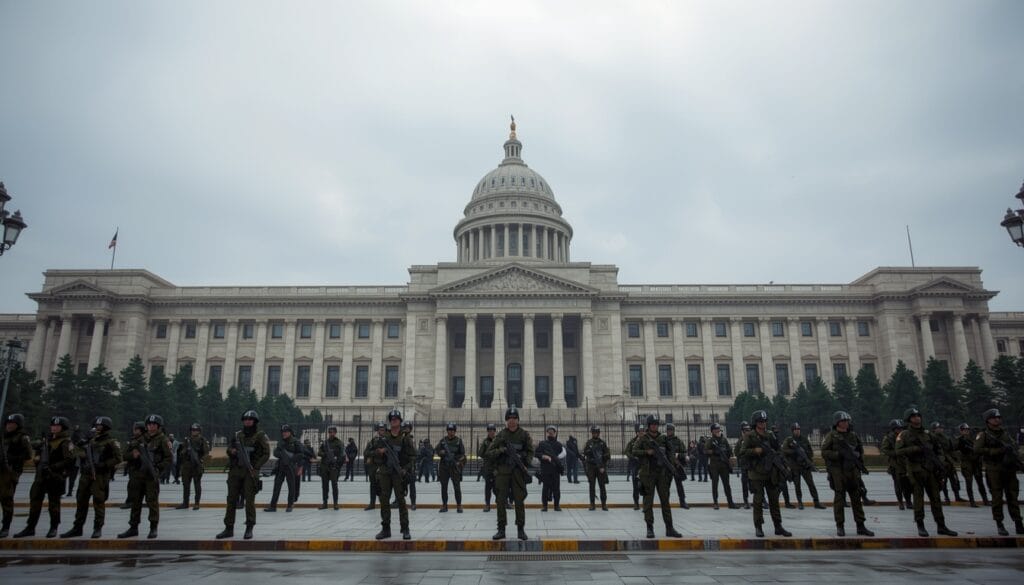
Iran’s leadership believes that even a limited U.S. strike could have consequences far beyond military targets. Officials worry that such action would:
Intensify public anger over economic hardships
Strengthen opposition narratives inside the country
Expose divisions within Iran’s political institutions
Past protests were fueled by inflation, unemployment, and restrictions on civil liberties. A foreign military confrontation could amplify these grievances rather than unify the population.
📉 Economic Pressure and Public Discontent
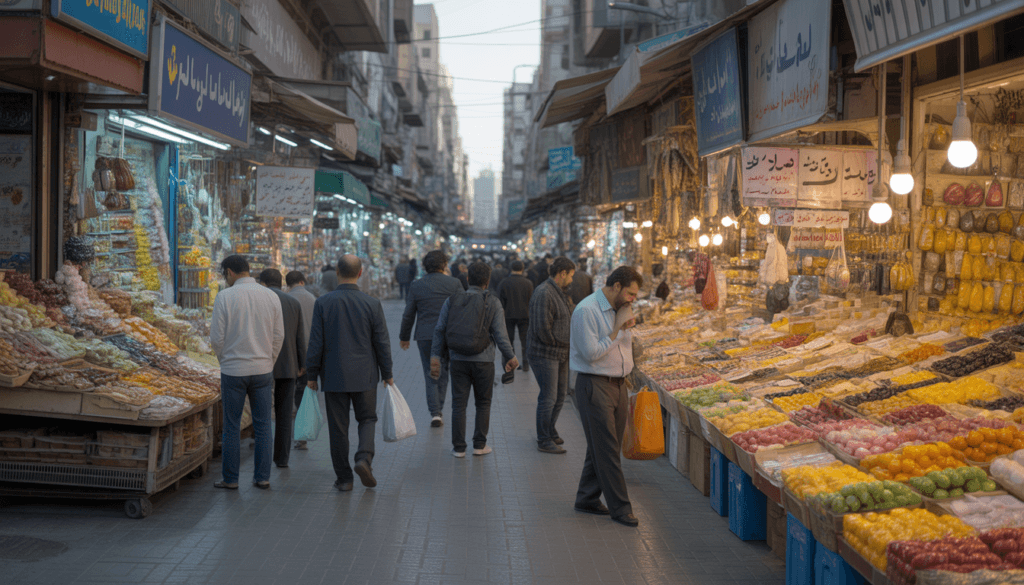
Iran’s economy remains under pressure due to sanctions, currency fluctuations, and reduced foreign investment. Rising living costs have directly impacted daily life, particularly for younger and urban populations.
Key economic stressors include:
Currency instability
High youth unemployment
Reduced purchasing power
Analysts say economic dissatisfaction often acts as a catalyst for broader political movements, especially when combined with external shocks.
🧠 Protest Memories Still Shape Government Strategy
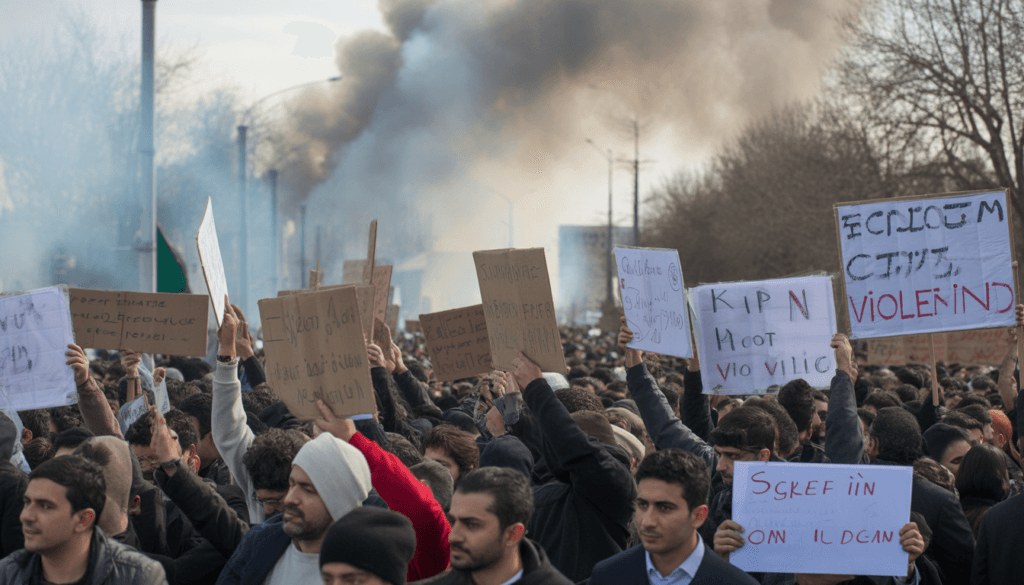
Recent history plays a major role in shaping Iran’s current fears. Large-scale demonstrations in past years revealed how quickly public frustration can escalate. Officials reportedly believe that renewed unrest could spread faster due to social media and global attention.
Authorities are said to be preparing contingency plans to manage both internal protests and potential regional escalation simultaneously.
🌍 Regional and Global Implications
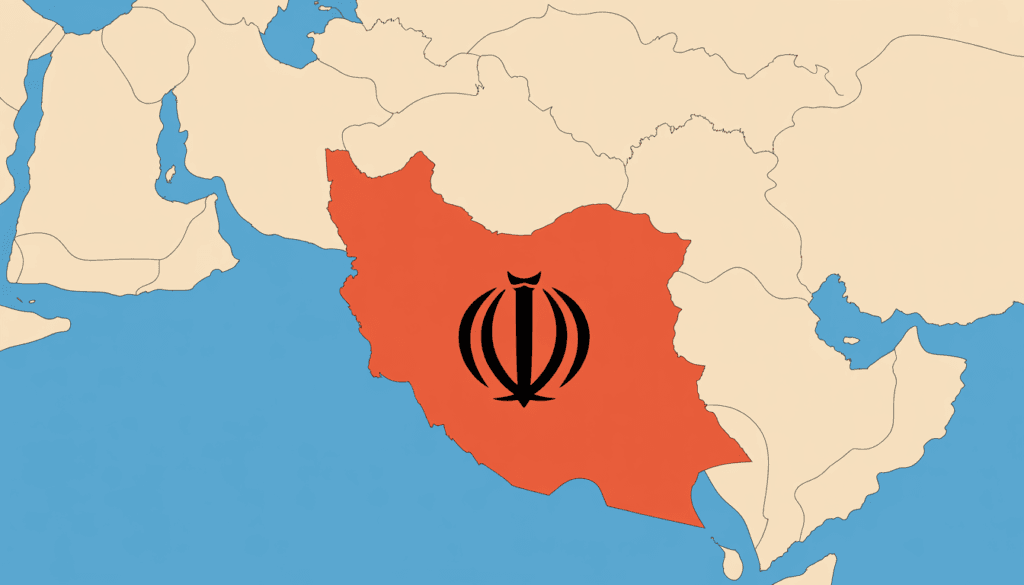
A destabilized Iran could have wider consequences:
Increased regional volatility
Impact on global energy markets
Heightened diplomatic tensions
International observers stress that any escalation involving Iran and the U.S. would not remain contained within national borders.
📰 What Comes Next?
While no immediate action has been confirmed, diplomatic efforts continue behind the scenes. Experts suggest that dialogue and de-escalation remain critical to avoiding outcomes that could destabilize both Iran and the broader region.
❓ Frequently Asked Questions (FAQ)
Why does Iran fear protests following a U.S. strike?
Because past protests were driven by economic and political frustration, and foreign conflict could intensify public dissatisfaction.
Would a U.S. strike directly target civilians?
Military actions typically focus on strategic targets, but indirect social and economic effects can impact civilian life.
How could this affect global markets?
Any escalation involving Iran could influence oil prices, investor confidence, and regional trade routes.
1 thought on “Iran Fears US Strike Could Reignite Protests”