

In a historic move for global carbon climate policy, the United Nations has achieved a landmark agreement aimed at reducing carbon emissions worldwide. The deal represents one of the most significant collective efforts to combat climate change, signaling renewed international commitment to protecting the planet. However, while the agreement marks major progress, experts caution that serious challenges remain in turning promises into measurable action.
The agreement comes at a critical moment as rising global temperatures, extreme weather events, and environmental degradation continue to threaten ecosystems and economies across the world.
A Historic Moment for Global Climate Action
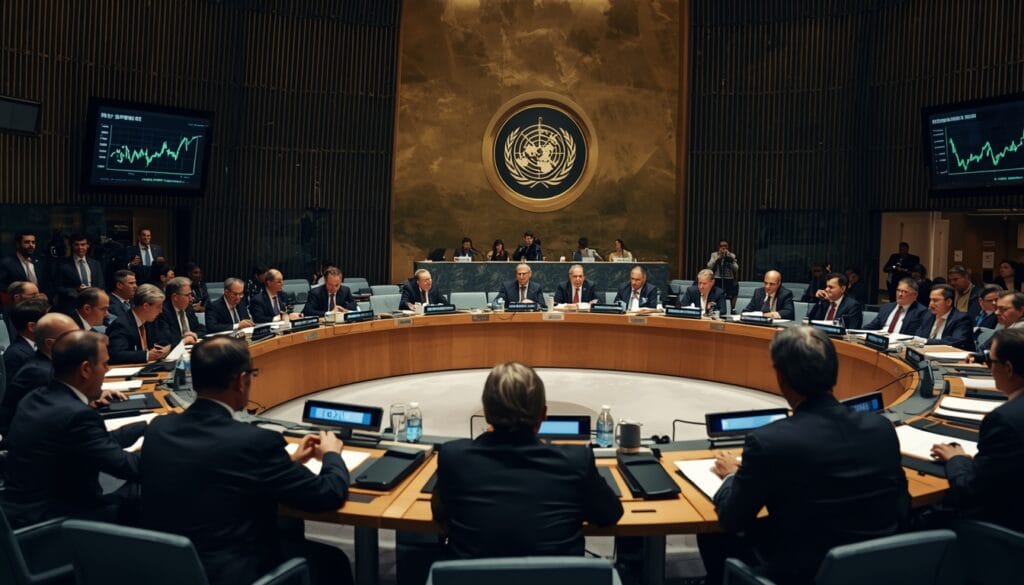
The newly reached UN agreement brings together nations from across the globe under a unified framework to reduce carbon emissions. Countries have committed to updated emissions targets, cleaner energy transitions, and increased transparency in reporting progress.
Supporters describe the deal as a turning point that strengthens global cooperation and accountability. For the first time in years, both developed and developing nations have aligned on shared climate responsibilities.
What the Agreement Includes
At its core, the agreement focuses on accelerating carbon emission reductions through:
-
Stronger national climate targets
-
Increased investment in renewable energy
-
Gradual reduction of fossil fuel dependence
-
Enhanced climate finance for vulnerable nations
The framework also emphasizes data-sharing and progress reviews, allowing countries to track each other’s commitments more closely.
Why This Agreement Matters
Carbon emissions are the leading driver of global warming. Scientists warn that without rapid reductions, the world risks crossing irreversible climate thresholds. The UN agreement aims to keep global temperature increases within internationally recognized limits.
Environmental experts say the deal sends a powerful signal to industries, investors, and policymakers that climate action is no longer optional—it is essential.
Support From the Global Community
World leaders, climate activists, and environmental organizations have largely welcomed the agreement. Many see it as proof that international collaboration is still possible despite geopolitical tensions.
Developing nations have praised provisions that include financial and technological support, helping them pursue climate goals without sacrificing economic growth.
The Challenges That Still Remain
Despite its promise, the agreement is not without criticism. One of the biggest concerns is enforcement. The UN relies on voluntary compliance, and there are no strict penalties for countries that fail to meet their targets.
Additionally, some experts argue that the pledged reductions may still fall short of what scientists say is necessary to avoid severe climate impacts.
Economic and Political Barriers
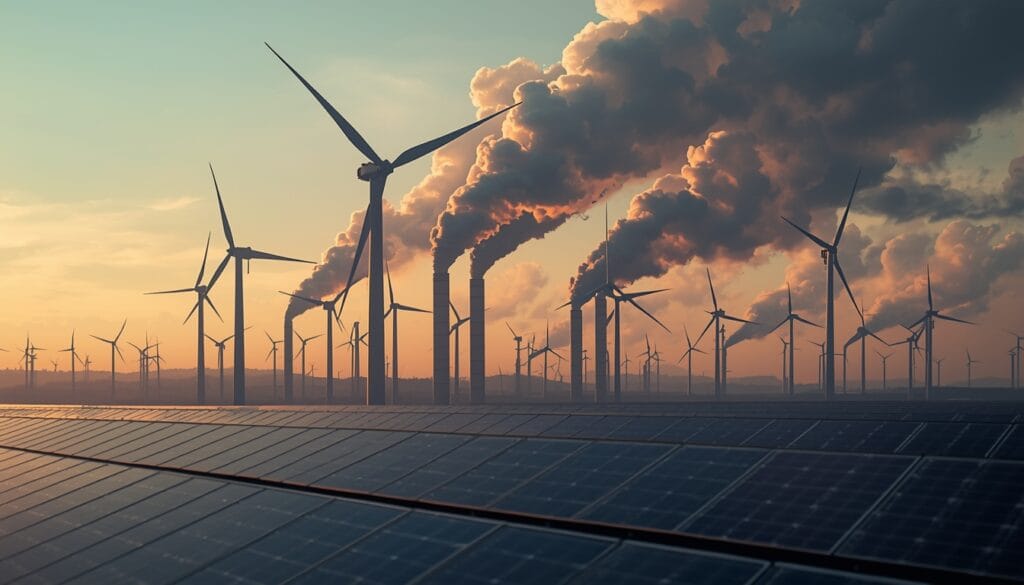
Transitioning to low-carbon economies presents economic and political hurdles. Some nations face resistance from industries reliant on fossil fuels, while others lack the infrastructure needed for rapid clean-energy adoption.
Balancing economic growth with environmental responsibility remains a complex challenge for policymakers worldwide.
What This Means for the Future
The agreement sets a foundation for stronger climate action but is only the beginning. Future success depends on how effectively countries implement policies, invest in innovation, and cooperate across borders.
Climate scientists stress that real progress will be measured not by agreements signed, but by emissions reduced.
A Step Forward, Not the Final Answer
While the UN’s global carbon deal marks a climate action milestone, it is not a final solution. The coming years will determine whether this agreement becomes a catalyst for meaningful change or another missed opportunity.
The world is watching closely as nations begin the difficult work of turning commitments into action.
❓ FAQs
Q1: What is the UN carbon emission agreement?
It is a global framework where countries commit to reducing carbon emissions to combat climate change.
Q2: Why is this agreement important?
It strengthens international cooperation and aims to limit global temperature rise.
Q3: Are countries legally required to follow the agreement?
Most commitments are voluntary, relying on transparency and global accountability.
Q4: What challenges does the agreement face?
Key challenges include enforcement, funding, and political resistance.
Q5: Will this agreement stop climate change?
It is a significant step, but additional action is needed to achieve long-term climate goals.
The vibes in Sprunki Betters And Loses But Phase 4 are immaculate! The music is an absolute banger, and the gameplay feels so smooth. Can’t wait to see more from this creator!