
📰 INTRODUCTION
AI Deepfake
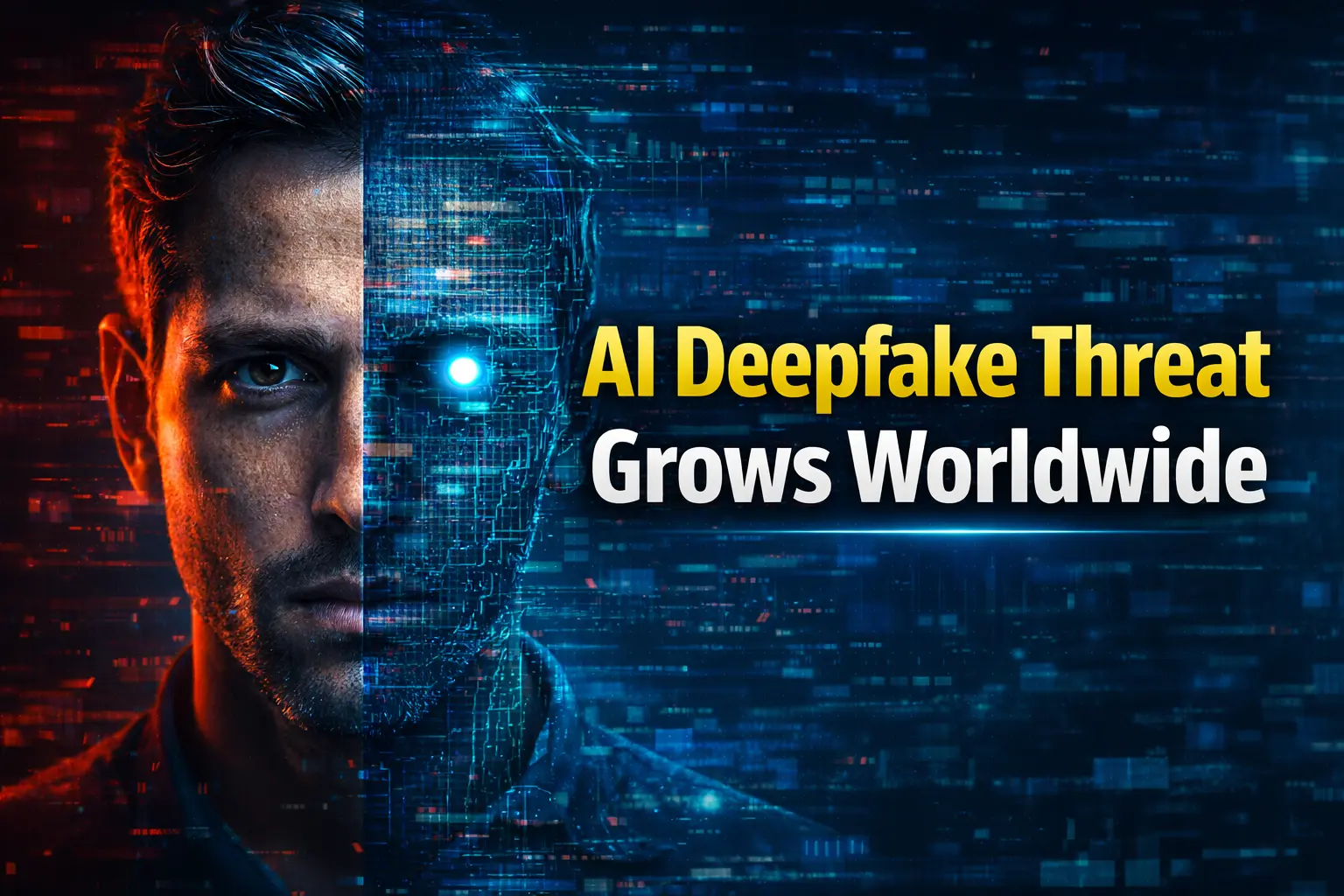
Artificial intelligence is advancing faster than ever — but with that progress comes a growing danger. AI-generated deepfakes are spreading rapidly across the internet, raising alarms among governments, tech companies, and cybersecurity experts worldwide.
From fake political speeches to financial scams and manipulated celebrity videos, deepfake technology is increasingly being used for deception, making it harder for people to trust what they see and hear online.
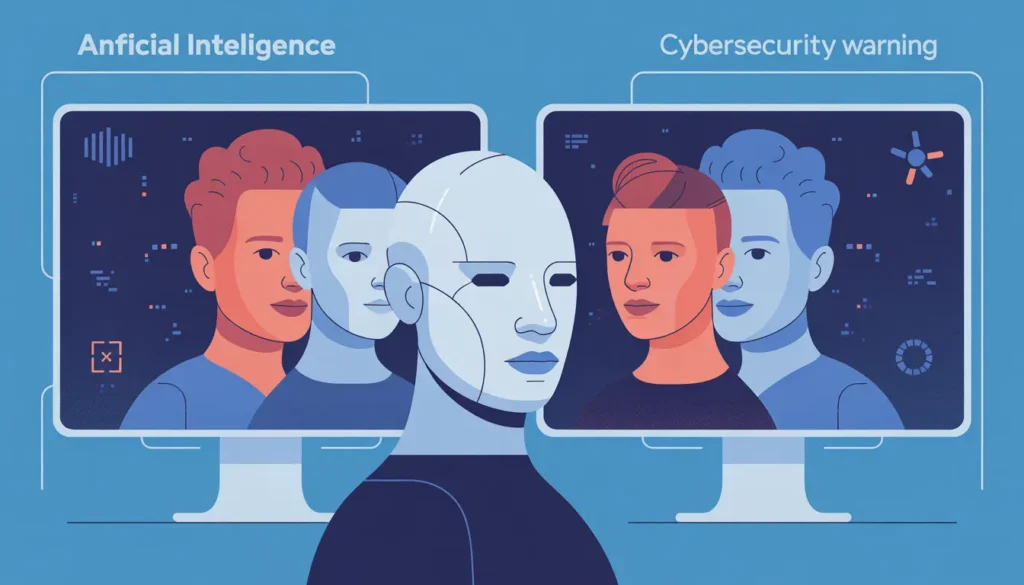
Deepfakes are synthetic videos, images, or audio created using advanced AI models that can realistically mimic real people. These tools can clone voices, alter facial expressions, and generate convincing fake content within minutes.
Once limited to research labs, deepfake technology is now widely accessible — and that accessibility has increased the risk of misuse.
⚠️ WHY GOVERNMENTS ARE WORRIED
Authorities across multiple countries are warning that deepfakes pose a serious threat to public trust and national security.
Key concerns include:
Election interference using fake videos
Financial fraud and identity theft
Fake emergency announcements
Damage to personal and professional reputations
Officials say deepfakes could be used to manipulate public opinion or trigger panic if left unchecked.
💰 RISE IN DEEPFAKE FRAUD CASES
Financial institutions are reporting a surge in scams powered by AI-generated voices and videos. Criminals are impersonating executives, family members, and public figures to trick victims into transferring money or revealing sensitive data.
Cybersecurity experts warn that deepfake-driven fraud is becoming harder to detect, especially for individuals unfamiliar with AI technology.
🧑💻 TECH COMPANIES RESPOND
Major technology platforms are racing to respond by:
Developing AI detection tools
Labeling synthetic content
Removing manipulated media
Partnering with fact-checking organizations
Despite these efforts, experts say detection tools are struggling to keep up with how fast deepfake technology is evolving.
🌍 GLOBAL PUSH FOR AI REGULATION
Governments are now discussing new AI regulations aimed at limiting misuse while still encouraging innovation. Proposed measures include mandatory labeling of AI-generated content and strict penalties for malicious use.
Regulators emphasize that international cooperation will be critical, as deepfake content spreads instantly across borders.
🔐 HOW USERS CAN PROTECT THEMSELVES
Experts recommend simple but effective steps:
Verify information from trusted sources
Be cautious of urgent requests involving money
Watch for unnatural facial movements or audio inconsistencies
Avoid sharing unverified viral content
Digital awareness is becoming just as important as cybersecurity tools.
🔮 WHAT COMES NEXT?
As AI technology becomes more powerful, the battle between content creation and content verification will intensify. Analysts believe deepfakes will remain one of the biggest digital challenges of the coming years, forcing societies to rethink how trust is established online.
🧾 CONCLUSION
The rise of AI deepfakes marks a turning point in the digital age. While artificial intelligence offers enormous benefits, its misuse threatens trust, security, and truth itself. Governments, tech firms, and users alike now face the urgent task of adapting to this rapidly changing landscape.
❓ FAQs
Q: What is an AI deepfake?
An AI deepfake is digitally generated media that convincingly imitates real people using artificial intelligence.
Q: Why are deepfakes dangerous?
They can be used for fraud, misinformation, and manipulation, making it difficult to trust online content.
Q: Are governments regulating AI deepfakes?
Yes, many countries are working on laws to regulate AI misuse and protect digital integrity.