

Introduction
In a historic breakthrough for climate diplomacy, the United Nations has achieved a global agreement on carbon emission reductions, marking one of the most significant climate action milestones of the decade. After years of negotiations, world leaders, policymakers, and environmental experts have aligned on a shared framework to combat climate change and limit global warming.
The agreement reflects growing international urgency as extreme weather events, rising sea levels, and environmental degradation continue to threaten economies and ecosystems worldwide. While challenges remain, this deal signals a renewed commitment to collective climate responsibility.

1. Binding Commitments to Cut Carbon Emissions
One of the most important outcomes of the agreement is the introduction of binding commitments for participating nations. Countries have agreed to set measurable and transparent targets to reduce greenhouse gas emissions over the coming decades.
These commitments aim to:
Align national policies with global climate goals
Ensure accountability through reporting mechanisms
Accelerate the transition to low-carbon economies
This represents a shift from voluntary pledges to more structured international cooperation.
2. Stronger Focus on Limiting Global Warming
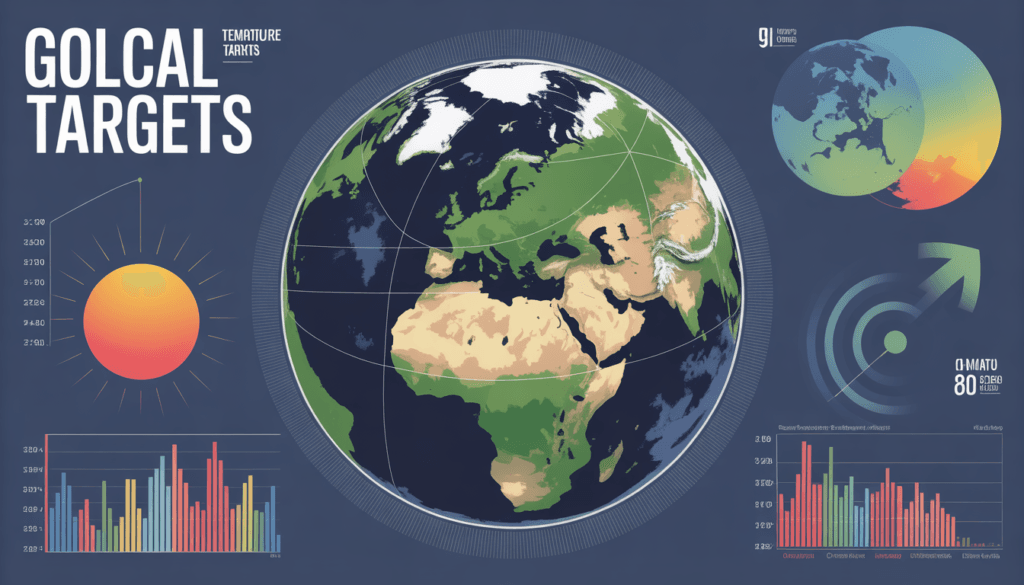
The agreement reinforces the global objective of limiting temperature rise to well below 2°C, with efforts to keep it closer to 1.5°C above pre-industrial levels. Scientists widely agree that exceeding these thresholds would significantly increase climate-related risks.
By prioritizing emission reductions, the UN aims to reduce the long-term impacts of climate change on food security, public health, and biodiversity.
A key pillar of the agreement is expanded financial and technical support for developing countries. Many nations face economic and technological barriers to reducing emissions while meeting development needs.
The agreement includes:
Climate financing commitments
Technology transfer initiatives
Capacity-building programs
This support ensures a more equitable global transition toward sustainability.
4. Acceleration of Renewable Energy Adoption
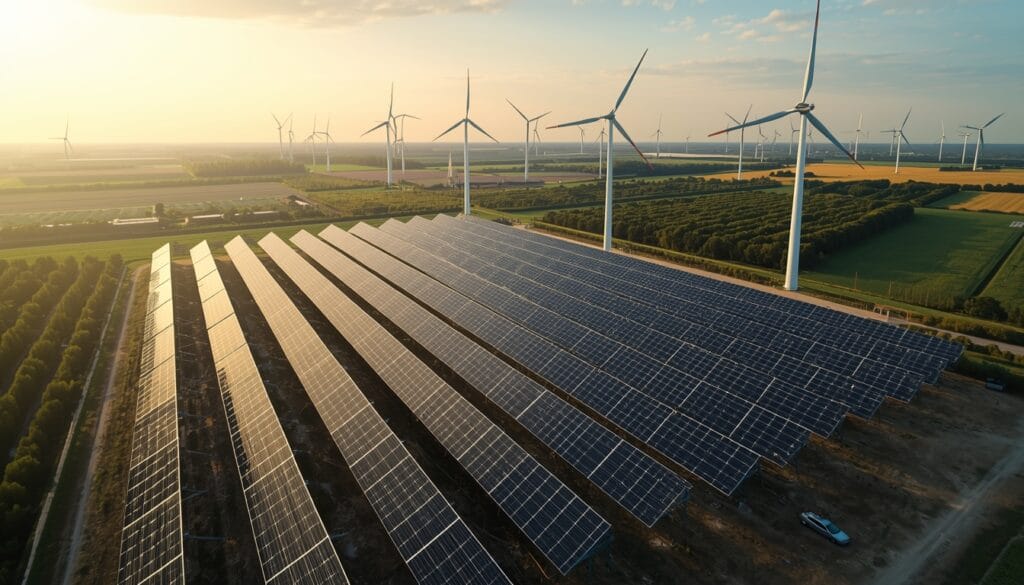
The UN agreement emphasizes the rapid expansion of renewable energy sources, including solar, wind, and hydroelectric power. Countries are encouraged to phase down fossil fuel reliance and invest in clean energy infrastructure.
Benefits of this shift include:
Reduced carbon footprints
Energy security
Job creation in green industries
Renewable energy is positioned as a cornerstone of global emission reduction strategies.
5. Enhanced Monitoring and Transparency
To ensure progress, the agreement establishes improved monitoring and reporting systems. Countries must regularly submit emissions data and climate action updates.
This transparency:
Builds trust among nations
Allows independent verification
Helps track global progress toward targets
Reliable data is essential for maintaining momentum and credibility.
6. Engagement of the Private Sector and Cities
The agreement recognizes that governments alone cannot achieve climate goals. Businesses, financial institutions, and cities play a critical role in reducing emissions.
The framework encourages:
Corporate sustainability commitments
Green investment strategies
Climate action at the city level
Private-sector engagement is expected to drive innovation and scale solutions faster.

7. A Roadmap for Long-Term Climate Action
Beyond immediate targets, the agreement provides a long-term roadmap toward net-zero emissions in the second half of the century. This long-term vision offers clarity for investors, policymakers, and industries planning future strategies.
By aligning short-term actions with long-term goals, the agreement supports a stable and predictable transition.
Why This Agreement Matters Globally
Search interest for terms like “UN climate agreement,” “carbon emission reductions,” and “global climate action” has surged worldwide. This reflects growing public awareness of climate risks and expectations for decisive leadership.
The agreement sets a global standard for cooperation at a time when climate change demands unified action.
Challenges Ahead
Despite its significance, implementation remains the biggest challenge. Differences in national priorities, economic pressures, and political changes could slow progress.
Key challenges include:
Ensuring compliance
Balancing economic growth with emission cuts
Scaling climate finance
Ongoing collaboration and accountability will be critical.

Conclusion
The UN’s global agreement on carbon emission reductions marks a defining moment in the fight against climate change. By committing nations to measurable action, supporting vulnerable economies, and accelerating clean energy adoption, the agreement lays the groundwork for a more sustainable future.
While success depends on implementation, this milestone demonstrates that global cooperation on climate action is both possible and necessary.
Frequently Asked Questions (FAQ)
1. What is the UN’s global carbon emission agreement?
It is an international agreement where countries commit to reducing greenhouse gas emissions to limit global warming and address climate change.
2. Are the emission reduction targets legally binding?
The agreement introduces stronger accountability and reporting mechanisms, though enforcement depends on national implementation.
3. How does this agreement help developing countries?
It provides financial support, technology transfer, and capacity-building to help developing nations reduce emissions sustainably.
4. What role does renewable energy play in the agreement?
Renewable energy is central to reducing carbon emissions and transitioning away from fossil fuels.
5. Will this agreement stop climate change?
It will not stop climate change immediately, but it significantly reduces risks and helps slow long-term impacts if fully implemented.