

🧠 Introduction
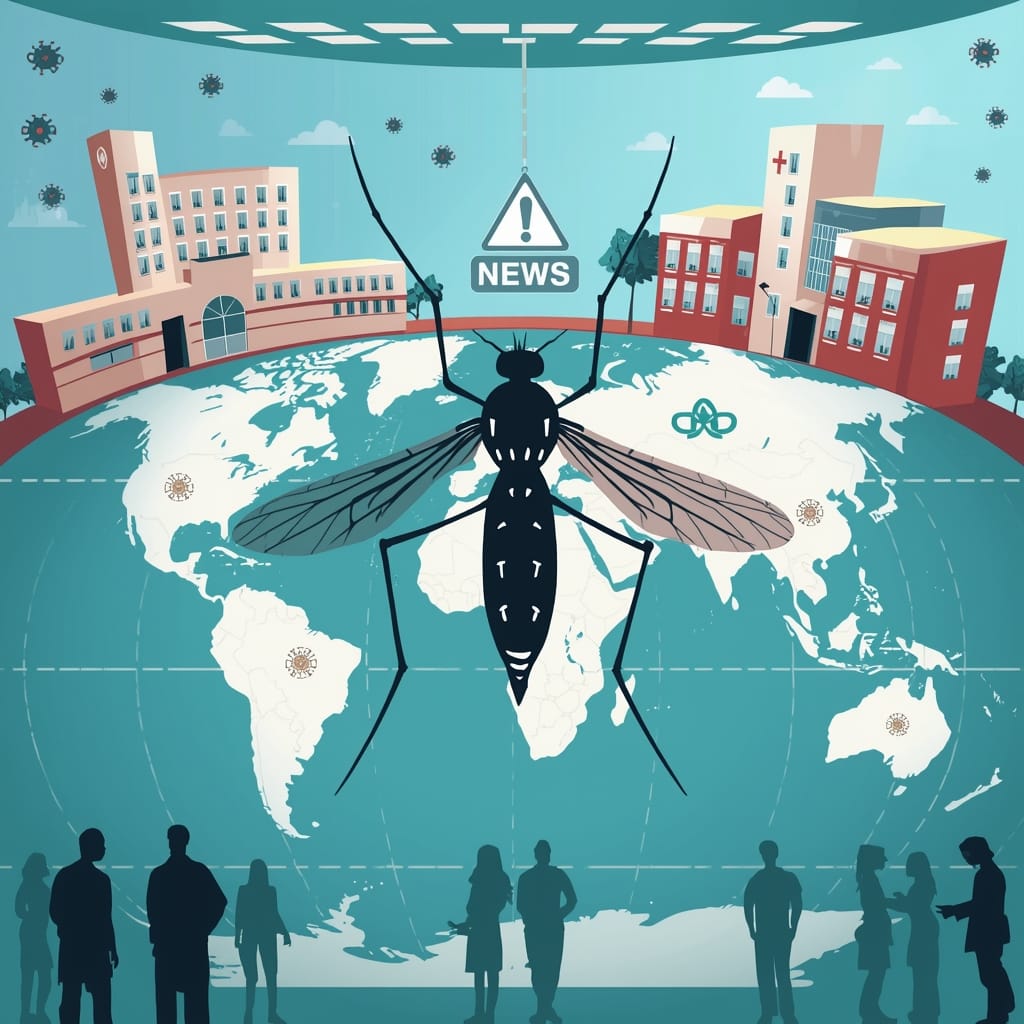
Health authorities across multiple regions are raising alarms as dengue cases surge worldwide, placing pressure on healthcare systems and prompting renewed public health advisories. Once considered a seasonal illness limited to tropical regions, dengue is now expanding its reach due to climate change, urbanization, and increased global travel.
The growing spread highlights the urgent need for awareness, prevention, and early treatment.
🔑 Key Point (Main Topic)
The global rise in dengue cases is being driven by climate conditions, mosquito population growth, and increased urban exposure.
🌍 Why Are Dengue Cases Rising?
Experts point to several interconnected factors behind the surge:
1️⃣ Climate Change
Warmer temperatures and increased rainfall create ideal breeding conditions for mosquitoes.
2️⃣ Urban Expansion
Dense populations and stagnant water sources in cities increase transmission risk.
3️⃣ Global Travel
Infected travelers can unknowingly spread the virus across borders.
4️⃣ Limited Immunity
Many populations lack immunity to different dengue virus strains.
🦟 What Is Dengue and How Does It Spread?
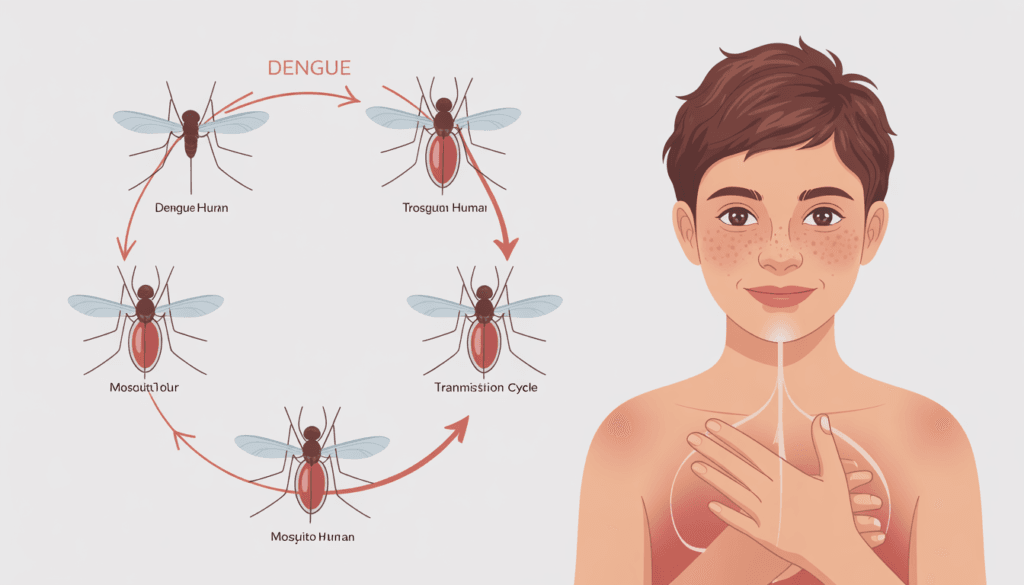
Dengue is a viral infection transmitted primarily by the Aedes aegypti mosquito. Symptoms often appear within 4–10 days after infection and may include:
High fever
Severe headache
Joint and muscle pain
Nausea and vomiting
Skin rash
In severe cases, dengue can lead to complications requiring hospitalization.
🏥 Regions Most Affected Right Now
Recent reports show rising cases in:
South and Southeast Asia
Latin America
Parts of Africa
Urban regions experiencing heavy rainfall
Health officials emphasize early diagnosis to reduce complications and fatalities.
⚠️ Prevention: What Health Experts Recommend
While there is no specific cure for dengue, prevention remains the most effective defense:
Eliminate standing water around homes
Use mosquito repellents
Install window screens
Wear protective clothing
Seek medical care early if symptoms appear
Public awareness campaigns are being intensified in high-risk regions.
💉 Vaccines and Medical Response
Some dengue vaccines are available in certain countries, but their use depends on age, prior exposure, and regional guidelines. Health agencies continue to invest in research to improve vaccine effectiveness and accessibility.
🔮 Outlook: What Happens Next?
Health experts warn that dengue outbreaks may become more frequent unless:
Mosquito control improves
Climate adaptation strategies are implemented
Public awareness increases
Early action can significantly reduce the burden on healthcare systems.
📌 Final Thoughts
The global surge in dengue cases is a reminder that public health challenges are evolving alongside environmental and societal changes. Awareness, prevention, and timely medical response remain critical in protecting communities worldwide.
Staying informed is the first step toward staying safe.
❓ Frequently Asked Questions (FAQ)
❓ Is dengue contagious from person to person?
No, dengue spreads through mosquito bites, not direct contact.
❓ Can dengue be fatal?
Most cases recover fully, but severe dengue can be life-threatening if untreated.
❓ Is there a cure for dengue?
There is no specific cure, but early treatment helps manage symptoms.
❓ How can dengue be prevented?
By reducing mosquito exposure and eliminating breeding sites.
0s3tny