

Executive Summary
The Russia–Ukraine war remains one of the most consequential geopolitical conflicts of our time. As fighting continues and diplomatic efforts struggle to gain momentum, the conflict is reshaping global security, energy markets, international alliances, and economic stability.
This article provides a professional, news-standard analysis of the current situation, outlining the latest battlefield developments, political dynamics, global consequences, and realistic future scenarios. A comprehensive FAQ section addresses the most searched and pressing public questions.
1. Current Situation on the Ground
The conflict has entered a prolonged phase marked by sustained military engagement, defensive fortifications, and strategic strikes. Both sides are focusing on consolidating territorial control while attempting to weaken supply lines and infrastructure.
Key developments include:
Intensified use of drones and long-range weapons
Continued pressure on key strategic regions
Heavy strain on military resources and personnel
Despite periodic claims of progress, the overall frontlines remain contested, reflecting the complexity and endurance of the war.
2. Political and Diplomatic Landscape
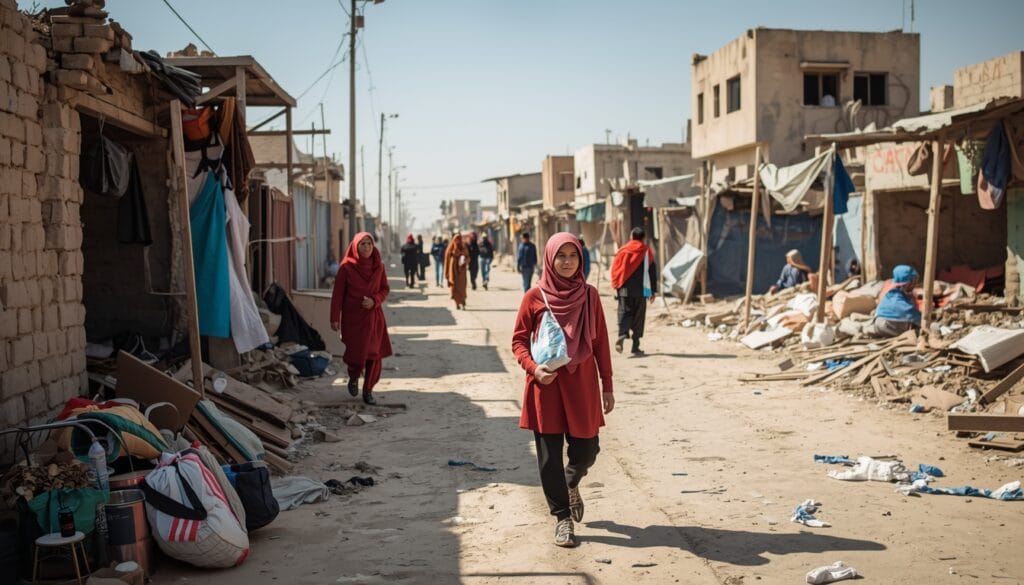
Diplomatic efforts continue through international forums, but a comprehensive peace agreement remains elusive. Ukraine continues to seek military and economic support from Western allies, while Russia emphasizes its strategic objectives and security concerns.
International organizations and mediators have focused on:
Humanitarian corridors and civilian protection
Prisoner exchanges
Preventing regional escalation
However, trust deficits and incompatible demands have limited meaningful breakthroughs.
3. Global Impact of the War
3.1 Energy and Commodity Markets
The war has significantly disrupted global energy flows. Europe has accelerated efforts to diversify energy sources, while oil, gas, and grain markets continue to experience volatility.
Key impacts include:
Elevated energy prices in multiple regions
Food supply challenges linked to agricultural exports
Increased transportation and production costs worldwide
3.2 Economic and Financial Consequences
Sanctions, trade restrictions, and defense spending have placed pressure on global economic growth. Developing economies, in particular, face rising inflation and fiscal strain.
3.3 Security and Military Alliances
The conflict has reshaped global security dynamics, strengthening some alliances while increasing geopolitical polarization. Military preparedness and defense budgets have risen across many countries.
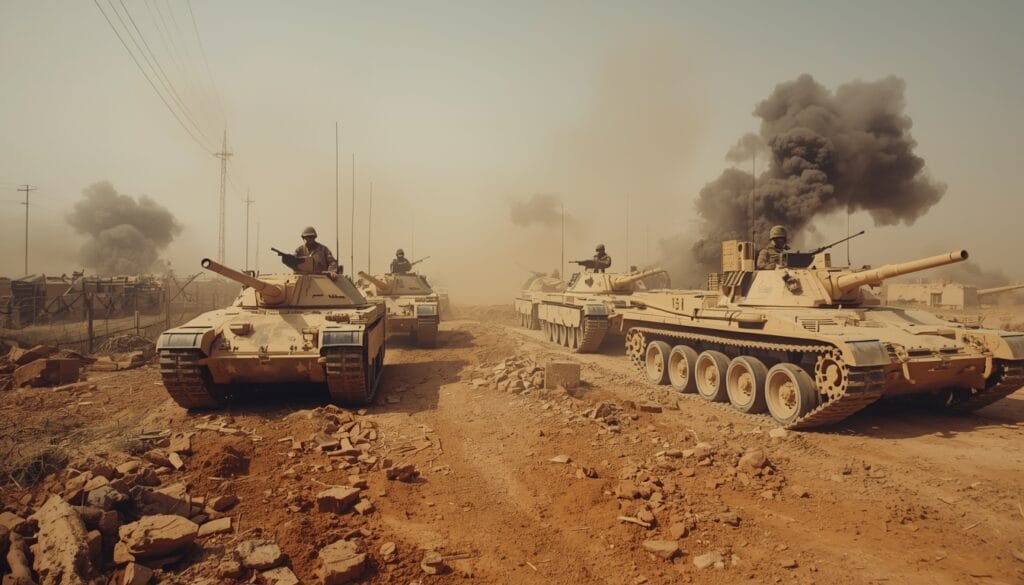
4. Humanitarian Situation
Millions of civilians have been affected by displacement, infrastructure damage, and limited access to essential services. Humanitarian organizations continue to operate under difficult conditions, emphasizing the need for sustained international assistance.
The long-term social and psychological impact of the conflict remains a growing concern.
5. Future Outlook: Possible Scenarios
Analysts generally outline three possible paths forward:
Prolonged Stalemate: Continued fighting with limited territorial change
Negotiated Pause: Temporary ceasefires without a comprehensive peace deal
Escalation or Shift: A significant military or political development altering the balance
Most experts currently consider a prolonged stalemate the most likely near-term scenario.
6. Frequently Asked Questions (FAQs)
Q1: Is the Russia–Ukraine war close to ending?
At present, there are no clear indicators of an imminent end. Both sides remain committed to their strategic objectives, making a quick resolution unlikely.
Q2: How is this war affecting the global economy?
The conflict contributes to higher energy and food prices, supply chain disruptions, and increased uncertainty in financial markets.
Q3: Could the war expand beyond Ukraine?
While direct expansion is considered unlikely, regional spillover risks remain, particularly through economic and security pressures.
Q4: Why is international support for Ukraine significant?
Support reflects broader concerns about international law, sovereignty, and regional stability. It also shapes the strategic balance of the conflict.
Q5: What does this mean for ordinary people worldwide?
Consumers may face higher living costs, while governments allocate more resources to defense and energy security, impacting public spending priorities.
2 thoughts on “Russia–Ukraine War: Latest Developments, Global Impact, and What Comes Next”