
Introduction: A Critical Moment for Global Security 🕊️
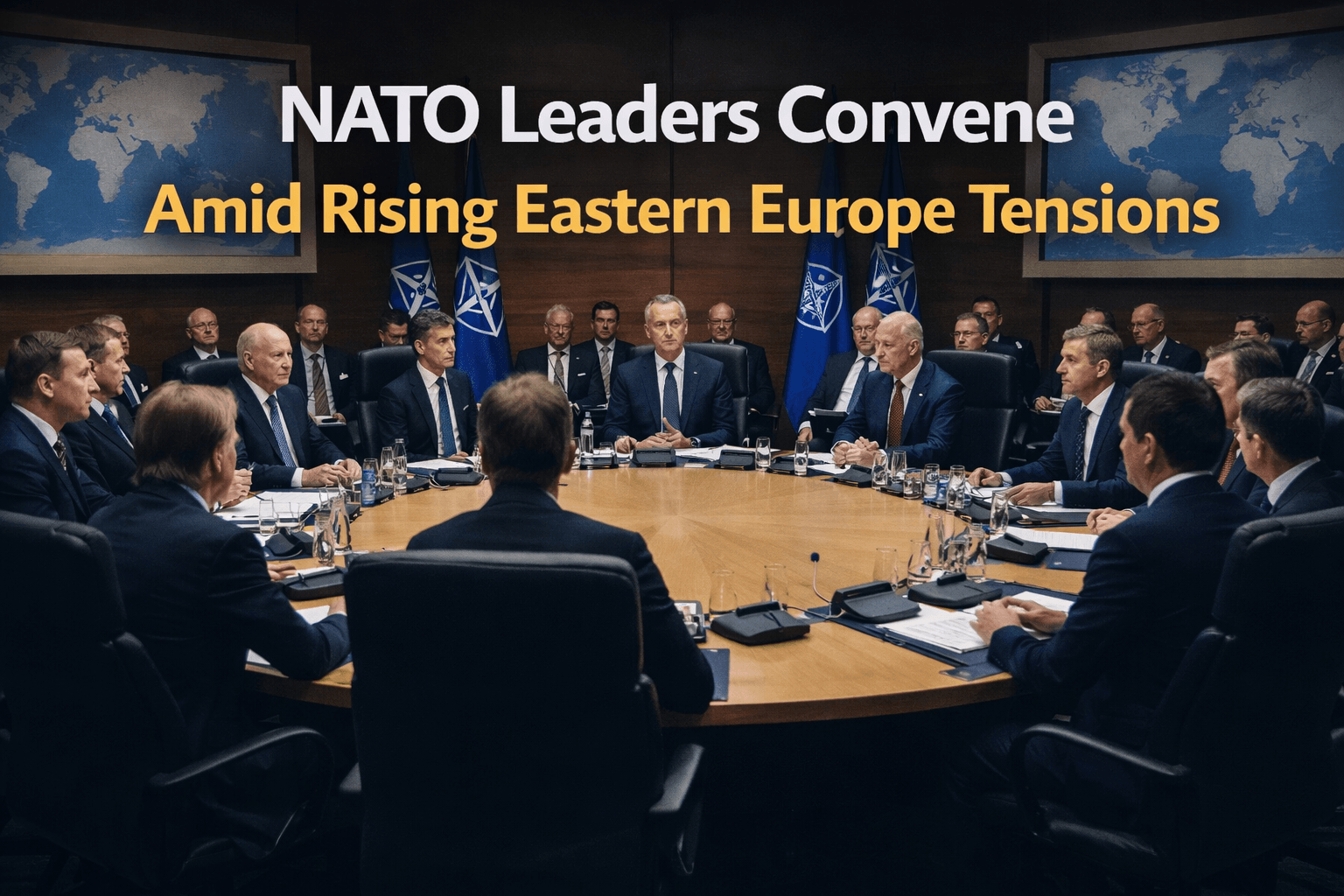
As the geopolitical landscape in Eastern Europe intensifies, NATO leaders have convened to discuss the escalating tensions surrounding the Ukraine conflict. This summit, taking place in Brussels, has drawn global attention due to the potential implications for international security, economic stability, and military alliances.
The conflict has strained relations between NATO members, Russia, and neighboring countries, making the summit one of the most consequential meetings in recent years. With stakes high, decisions made here could shape the trajectory of Eastern Europe’s security and influence global geopolitical dynamics.
NATO Leaders and Member States Present 🏛️
Key figures attending the summit include:
-
Jens Stoltenberg, NATO Secretary-General
-
Leaders from United States, United Kingdom, Germany, France, Canada, and Poland
-
Representatives from Baltic nations: Estonia, Latvia, Lithuania
-
Observers from Ukraine and Finland
This diverse group of leaders ensures that all strategic perspectives are considered, ranging from military preparedness to diplomatic negotiations.
Background: Eastern Europe Tensions ⚠️
The Ukraine conflict, which began in 2022, continues to escalate. NATO’s involvement is primarily focused on:
-
Providing military aid and strategic support to Ukraine
-
Coordinating defense strategies along the alliance’s eastern border
-
Mitigating risks of escalation that could lead to a wider regional conflict
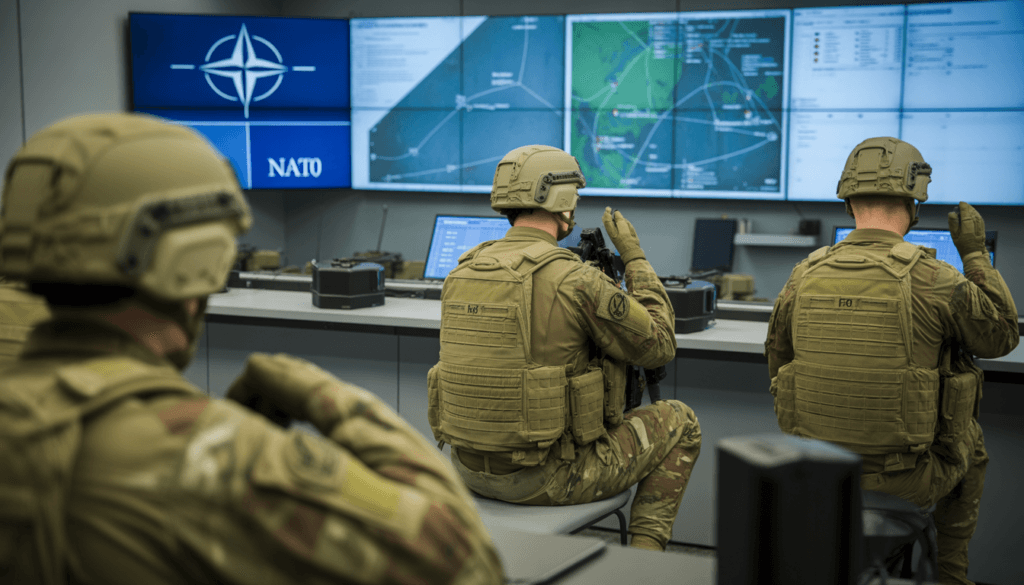
Recent movements of Russian troops and artillery in eastern Ukraine have heightened fears of direct confrontations, prompting NATO to strengthen its presence in border regions and reassure member states of collective defense.
Strategic Discussions at the Summit 📝
1. Military Reinforcement
-
Deployment of rapid-response forces along NATO’s eastern flank
-
Enhanced air and naval surveillance to monitor regional activity
-
Investment in advanced defense systems and cybersecurity measures
2. Political and Diplomatic Actions
-
Coordinated sanctions against aggressor nations
-
Strengthening diplomatic channels to reduce miscalculations
-
Emphasis on unity among NATO members
3. Economic Implications
-
Impact of energy security and sanctions on global markets
-
Coordination to prevent economic fallout from military escalation
-
Support for nations heavily reliant on Ukrainian agricultural exports
Expert Analysis: What NATO’s Decisions Could Mean 🧠
Defense analysts suggest that this summit could signal a shift in NATO’s approach:
-
Short-term: Immediate reinforcement of borders and military readiness
-
Medium-term: Strategic investments in technology, intelligence sharing, and rapid deployment units
-
Long-term: Strengthening alliances beyond Europe, potentially including partnerships with Asia-Pacific nations
Experts warn that failure to maintain cohesion among NATO members could embolden adversaries, increasing instability in the region.
Implications for the Global Community 🌍
Political Impact
NATO’s decisions will influence:
-
Diplomatic negotiations with Russia
-
EU member state policies on defense spending
-
UN discussions and international peacekeeping strategies
Economic Impact
Rising military expenditures and sanctions can affect:
-
Oil and gas prices in Europe
-
Trade relations with non-NATO countries
-
Global financial markets, particularly in energy and defense sectors
Civilian and Humanitarian Concerns
Heightened tensions may increase the risk of civilian displacement, necessitating aid and international support for refugees and affected communities.
Timeline of the NATO Summit 2026 📅
-
Day 1: Opening ceremony, keynote by NATO Secretary-General
-
Day 2: Bilateral meetings between key member nations
-
Day 3: Strategic discussions on Ukraine, defense deployments, and sanctions
-
Day 4: Press briefing and publication of NATO resolutions
Real-time updates from the summit are being monitored by news agencies worldwide, highlighting the importance of transparency and timely information.
FAQs: NATO & Eastern Europe Conflict ❓
Q1: What is the main goal of the NATO summit?
A1: To discuss the ongoing Ukraine conflict, coordinate defense strategies, and ensure the security of member nations.
Q2: Which countries are most affected by tensions in Eastern Europe?
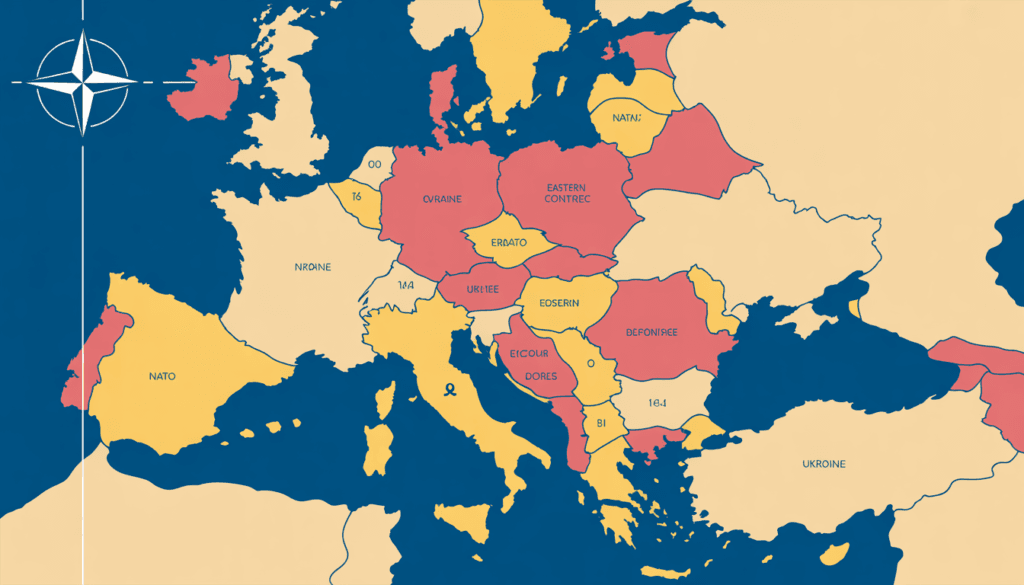
A2: Ukraine, Poland, Baltic states, and neighboring Eastern European nations face the highest risks.
Q3: Will NATO engage militarily in Ukraine?
A3: NATO provides support and deterrence but avoids direct combat, focusing on defense, intelligence, and sanctions.
Q4: How will this affect global security?
A4: Decisions made at the summit can influence international relations, trade, and the stability of Europe.
Q5: Can civilians expect any impact?
A5: Indirectly, through economic effects, energy costs, and potential refugee flows.