

Introduction
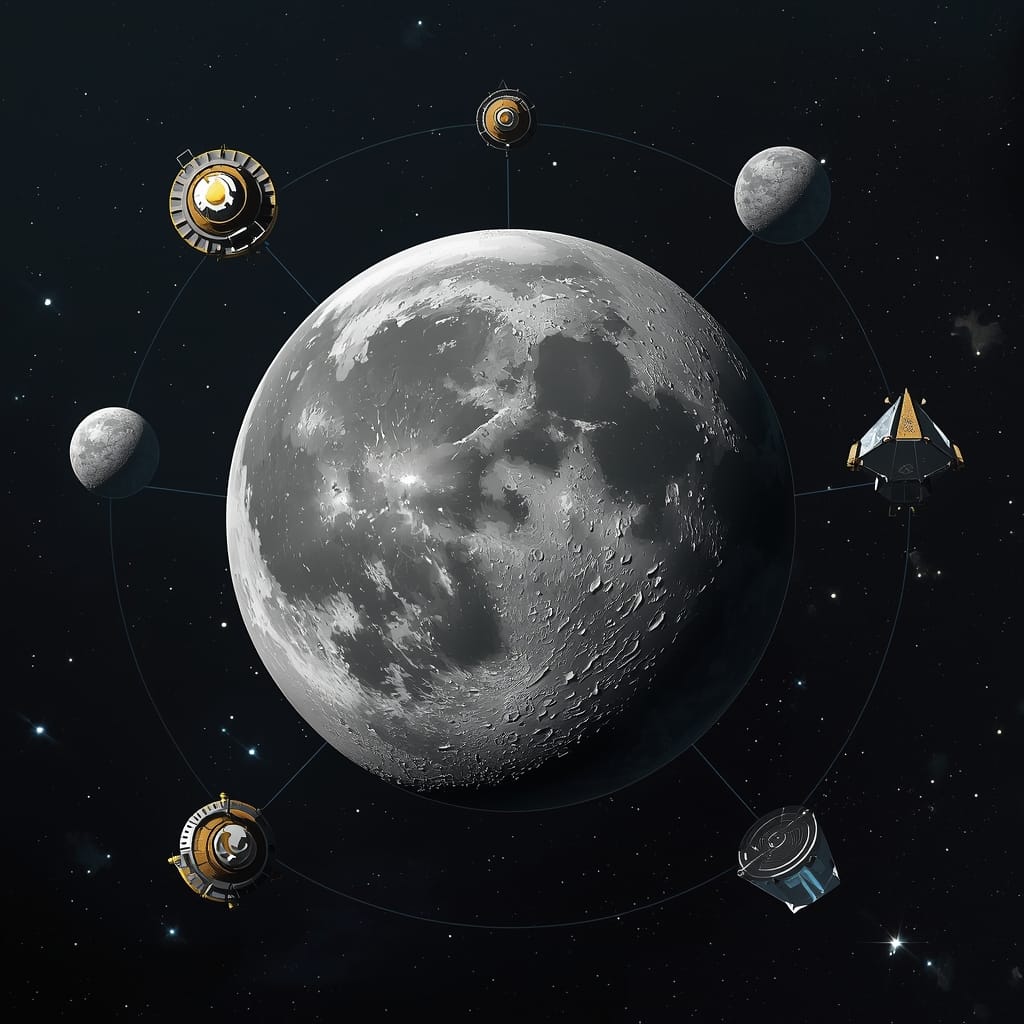
NASA has officially confirmed the presence of water at the Moon’s south pole, a discovery that could redefine humanity’s future in space. This breakthrough strengthens NASA’s long-term lunar exploration strategy and plays a critical role in the agency’s plan to launch a crewed mission to the Moon by 2028.
The announcement marks a turning point in space exploration, transforming the Moon from a temporary destination into a potential long-term hub for human activity. Scientists believe this water could support astronauts, fuel spacecraft, and serve as a foundation for future missions to Mars and beyond.
How NASA Confirmed Water on the Moon
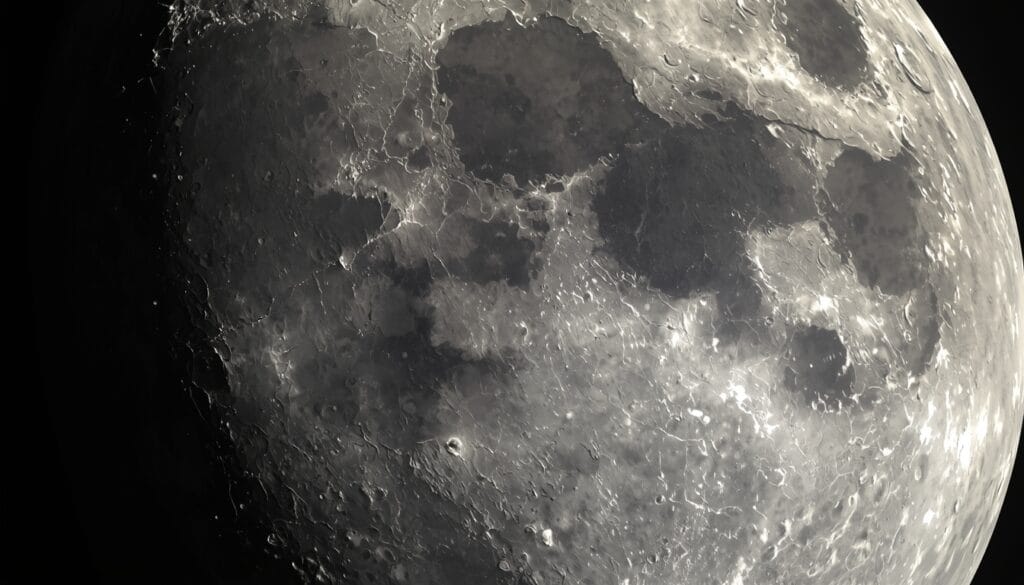
NASA’s confirmation is based on years of data collected from lunar orbiters, surface instruments, and advanced remote sensing technologies. Using infrared spectroscopy, scientists detected clear signatures of water ice trapped within permanently shadowed craters at the Moon’s south pole.
These regions never receive direct sunlight, allowing ice to remain stable for billions of years. The findings confirm that water is not just present in trace amounts but may exist in significant quantities.
The Moon’s south pole has become the focal point of global lunar exploration due to its unique characteristics.
Key advantages include:
Permanently shadowed craters that preserve water ice
Elevated regions with near-constant sunlight for solar power
Stable terrain suitable for long-term exploration
These conditions make the south pole the most promising location for establishing a sustainable human presence on the Moon.
1. Water as a Critical Resource for Astronauts
Water is essential for life, and its presence on the Moon dramatically reduces the need to transport supplies from Earth. Lunar water can be used for:
Drinking and food preparation
Oxygen production for breathing
Temperature regulation in habitats
This discovery significantly lowers mission costs and increases the feasibility of extended human stays.
2. Fuel Production and Deep Space Exploration
Beyond survival, lunar water has another crucial role: rocket fuel. By splitting water into hydrogen and oxygen, NASA can create fuel directly on the Moon.
This enables:
Refueling spacecraft in lunar orbit
Supporting missions deeper into space
Reducing reliance on Earth-based launches
The Moon could become a refueling station for future missions to Mars.
3. Supporting NASA’s Crewed Mission by 2028
NASA’s Artemis program aims to return humans to the Moon and establish a long-term presence. The confirmation of water at the south pole directly supports this mission.
Planned objectives include:
Landing astronauts near the south pole
Conducting surface exploration
Testing sustainable living technologies
NASA officials state that lunar water is a key factor in targeting 2028 for a crewed mission.
4. International Collaboration and Competition
NASA’s announcement has sparked renewed global interest in lunar exploration. Space agencies and private companies worldwide are accelerating their own Moon programs.
This discovery:
Encourages international partnerships
Increases competition in space technology
Positions the Moon as a strategic scientific and economic asset
The race to the Moon is no longer symbolic—it is strategic.
5. Preparing for Humanity’s Next Giant Leap
NASA views the Moon as a testing ground for future deep-space missions. Technologies developed for lunar survival will be essential for Mars exploration.
Lessons learned include:
Living in extreme environments
Using local resources
Operating far from Earth
The Moon is no longer the final destination—it is the gateway to the solar system.
Challenges Ahead
Despite the excitement, challenges remain. Extracting water from lunar ice is technically complex, and operating in extreme cold presents engineering difficulties.
Key challenges include:
Ice extraction technology
Energy storage during long lunar nights
Astronaut safety in harsh conditions
NASA continues to test solutions through robotic missions and simulations.
Why This Discovery Matters Right Now
Search interest for topics like “water on the Moon”, “NASA Moon mission 2028”, and “Moon south pole discovery” has surged. This reflects growing public fascination with space exploration and humanity’s future beyond Earth.
The confirmation of lunar water moves space exploration from science fiction to practical planning.
Conclusion
NASA’s confirmation of water at the Moon’s south pole represents one of the most important discoveries in modern space exploration. It transforms the Moon into a viable location for sustained human presence and accelerates plans for a crewed mission by 2028.
With water as a life-supporting and fuel-generating resource, the Moon is set to play a central role in humanity’s next chapter in space. What was once a distant dream is now becoming a carefully planned reality.