
Introduction: Oil Markets on Edge ⛽🌍
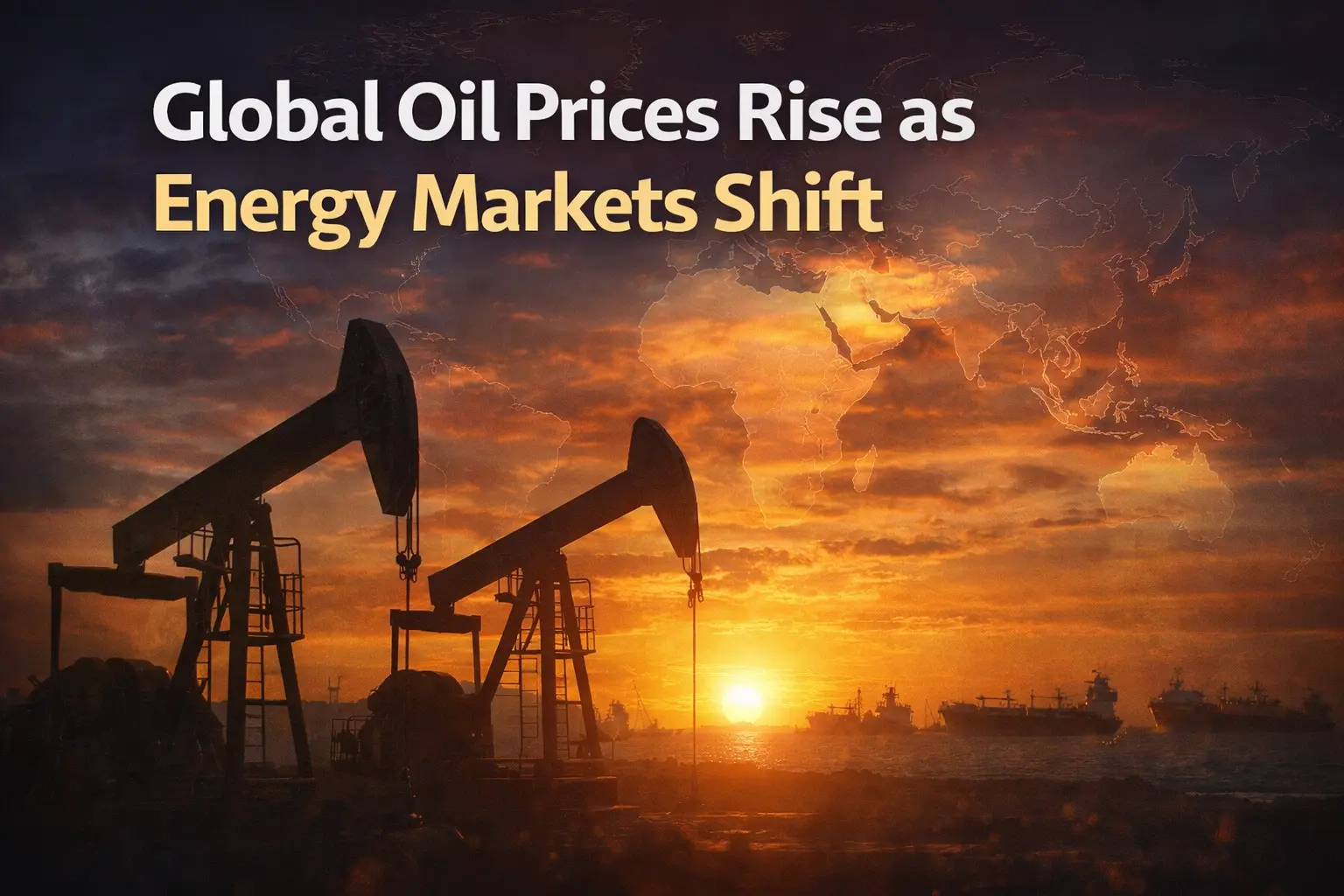
Oil Prices Surge are experiencing sharp price increases as tensions in the Middle East escalate. Analysts warn that the geopolitical uncertainty is reshaping energy markets and could have far-reaching consequences for consumers worldwide.
From rising petrol prices in the UK to gas prices in the US, households and businesses alike are feeling the impact. Economists emphasize that energy prices influence everything from transportation costs to the broader inflation outlook.
The combination of geopolitical risk, supply disruptions, and market speculation has led to one of the most volatile periods in oil markets in recent years. This blog explores why prices are surging, who is affected, and what might happen next.
Why Oil Prices Are Rising 📈
Several factors are contributing to the current surge in oil prices:
1. Middle East Tensions
Conflicts and political instability in oil-rich regions directly impact supply expectations. Even minor disruptions can trigger large market reactions.
2. Reduced Global Supply
OPEC+ production limits combined with unexpected refinery maintenance or pipeline issues reduce the available crude oil, putting pressure on prices.
3. Increasing Global Demand
As economies recover post-pandemic, industrial activity and transportation demand are rising. This creates competition for limited supplies.
4. Speculation and Market Sentiment
Futures trading and hedge fund speculation can amplify short-term price spikes, particularly when geopolitical risk is high.

Current Price Trends and Statistics
Brent Crude: $92 per barrel (up 5% week-on-week)
WTI Crude: $88 per barrel (up 4.5% week-on-week)
UK petrol: £1.64 per litre average
US gasoline: $4.35 per gallon average
Analysts predict that if tensions persist, oil prices could climb even higher, affecting global energy markets and household budgets.
Impact on Consumers 🌍💸

United Kingdom
Rising petrol prices are putting a strain on commuting costs and delivery services. Many households face higher monthly expenses, especially during peak travel seasons.
United States
High gas prices are increasing transportation and shipping costs. Analysts warn that this could feed into food and goods inflation, affecting everyday spending.
Global Economy
Countries reliant on imported oil may see wider inflationary pressures, forcing central banks to reconsider interest rate policies.
Expert Analysis 🧠
Energy market analysts provide insights on how long the surge might last:
Short-term spikes are likely if Middle East tensions continue.
Medium-term stabilization may occur if OPEC+ increases production.
Long-term impact depends on geopolitical resolution and renewable energy adoption.
How Businesses Are Responding 🏭🚛
Logistics and transport companies are adjusting routes and schedules to minimize fuel costs.
Airlines are hedging fuel prices to protect against market volatility.
Shipping firms are closely monitoring crude oil futures to forecast operating costs.
What This Means for the Future ⚠️
Investors: Must consider volatility in oil futures.
Consumers: Should expect ongoing price fluctuations at fuel stations.
Policy Makers: May face pressure to implement subsidies or adjust taxes.
Analysts emphasize the importance of monitoring both geopolitical events and market indicators to anticipate price trends.
FAQs: Global Oil Prices
FAQs: Global Oil Prices
Rising prices are due to Middle East tensions, reduced supply, increased demand, and market speculation.
Q2: How does this affect petrol prices in the UK?
Petrol prices rise directly as crude oil costs increase, impacting household transport expenses.
Q3: What can consumers do?
Consider fuel-efficient alternatives, plan trips to reduce fuel consumption, and monitor price trends.
Q4: How long will the surge last?
Short-term spikes could last weeks; medium- to long-term trends depend on geopolitical resolution and OPEC+ production decisions.