
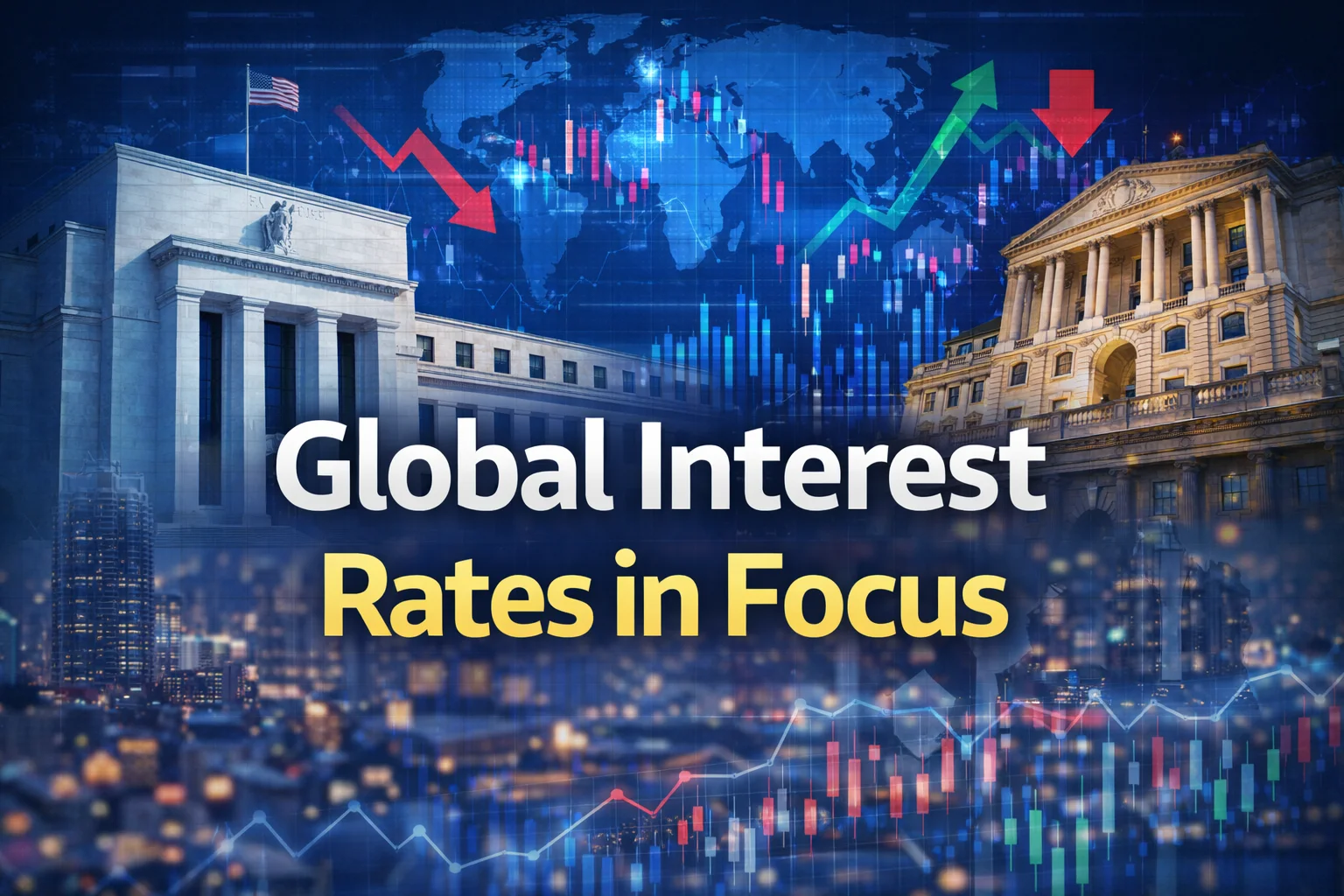
Global financial markets are watching closely as central banks across the world signal potential shifts in global interest rates policy. After years of aggressive rate hikes aimed at controlling inflation, policymakers in the United States and the United Kingdom are now facing a new challenge: how to balance economic stability with slowing growth.
For households, businesses, and investors, interest rates affect everything—from mortgage payments and credit cards to stock markets and currency values. As economic data sends mixed signals, central banks are approaching a critical crossroads.
Why Interest Rates Matter So Much
Interest rates are the primary tool central banks use to control inflation and guide economic growth.
When rates are high:
Borrowing becomes more expensive
Consumer spending slows
Inflation pressure eases
When rates are lowered:
Loans become cheaper
Businesses invest more
Economic activity increases
Because of this, even small rate changes can have major ripple effects worldwide.
The US Federal Reserve’s Current Position
Inflation vs. Growth
The Federal Reserve raised interest rates aggressively to curb inflation. While price growth has cooled compared to previous peaks, inflation remains above long-term targets.
At the same time:
Consumer spending is slowing
Job growth is stabilizing
Business confidence is mixed
This has led to speculation that the Fed may pause or gradually cut rates later this year if inflation continues to ease.
Market Reaction
Financial markets have responded quickly, with:
Bond yields fluctuating
Stock markets reacting to policy hints
The US dollar adjusting against major currencies
Bank of England Signals a Careful Shift
UK Economic Pressures
The UK faces unique challenges:
Persistent inflation
High housing costs
Slower economic growth
The Bank of England has indicated it will move cautiously, ensuring inflation is firmly under control before easing rates.
Impact on UK Households
High interest rates have significantly affected:
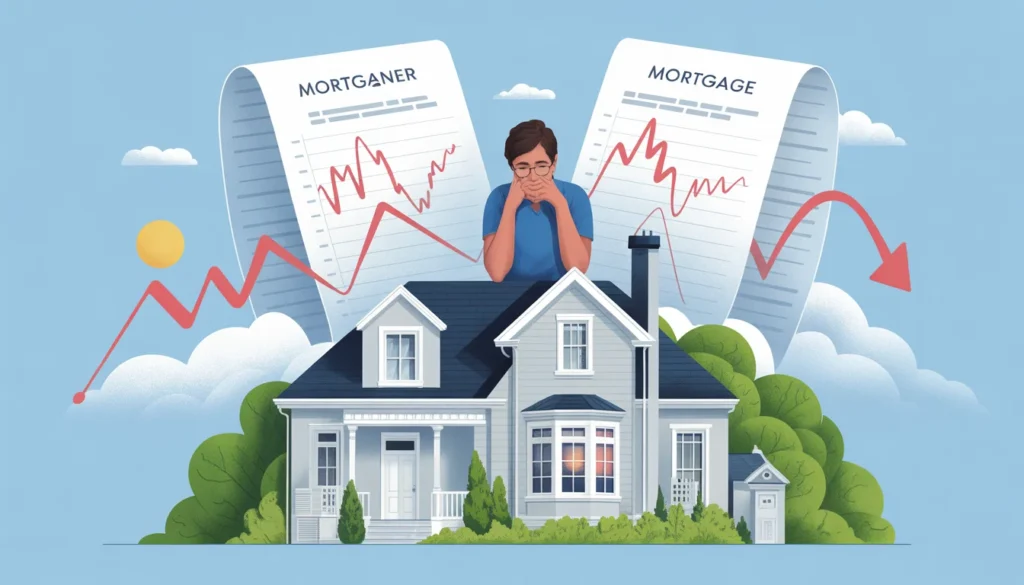
Mortgage repayments
Small business loans
Consumer credit
Any signal of future rate cuts has been closely watched by homeowners and lenders alike.
Global Ripple Effects
Interest rate decisions in the US and UK influence the global economy.
Key Global Impacts
Emerging markets feel pressure from currency shifts
International trade costs fluctuate
Global investment flows adjust
Countries tied closely to US and UK financial systems often adjust their own policies in response.
What This Means for Mortgages and Loans
Mortgage Rates
Mortgage rates are closely linked to central bank policy. While rates remain elevated, expectations of future cuts could lead to:
Stabilizing housing markets
Improved buyer confidence
Gradual easing of loan costs
Consumer and Business Loans
Businesses may delay investment decisions until rate clarity improves, while consumers remain cautious about borrowing.
Stock Markets and Investors
Markets react strongly to interest rate expectations.
Lower rates often support stock prices
Higher rates favor savings and bonds
Volatility increases during policy uncertainty
Investors are currently balancing optimism about potential rate cuts with caution about inflation risks.
Inflation: Still the Key Concern
Despite easing pressures, inflation remains the central issue guiding policy decisions.
Central banks are watching:
Wage growth
Energy prices
Global supply chains
A resurgence in inflation could delay any rate cuts.
Expert Outlook
Economists generally expect:
Gradual policy adjustments
No sudden rate collapses
Data-driven decisions
The emphasis is on avoiding past mistakes—cutting too early or tightening too late.

What Comes Next
Over the coming months, expect:
More cautious central bank messaging
Increased market volatility
Heightened public focus on economic data
Interest rate policy will remain one of the most important global economic stories this year.
FAQs
Why are global interest rates important?
They influence inflation, borrowing costs, investments, and overall economic growth.
Are interest rate cuts coming soon?
Possibly, but central banks are proceeding cautiously and relying on economic data.
How do interest rates affect mortgages?
Higher rates increase monthly payments, while lower rates reduce borrowing costs.
Do US rate decisions affect other countries?
Yes, US policy often influences global markets and currencies.
Should consumers expect immediate relief?
Any changes are likely to be gradual rather than sudden
Conclusion
Global interest rates are once again at the center of economic attention. As the US Federal Reserve and the Bank of England signal potential shifts, households and markets are preparing for change—but uncertainty remains.
The path forward will depend on inflation trends, economic resilience, and careful policymaking. For now, the world is watching every signal from central banks.