
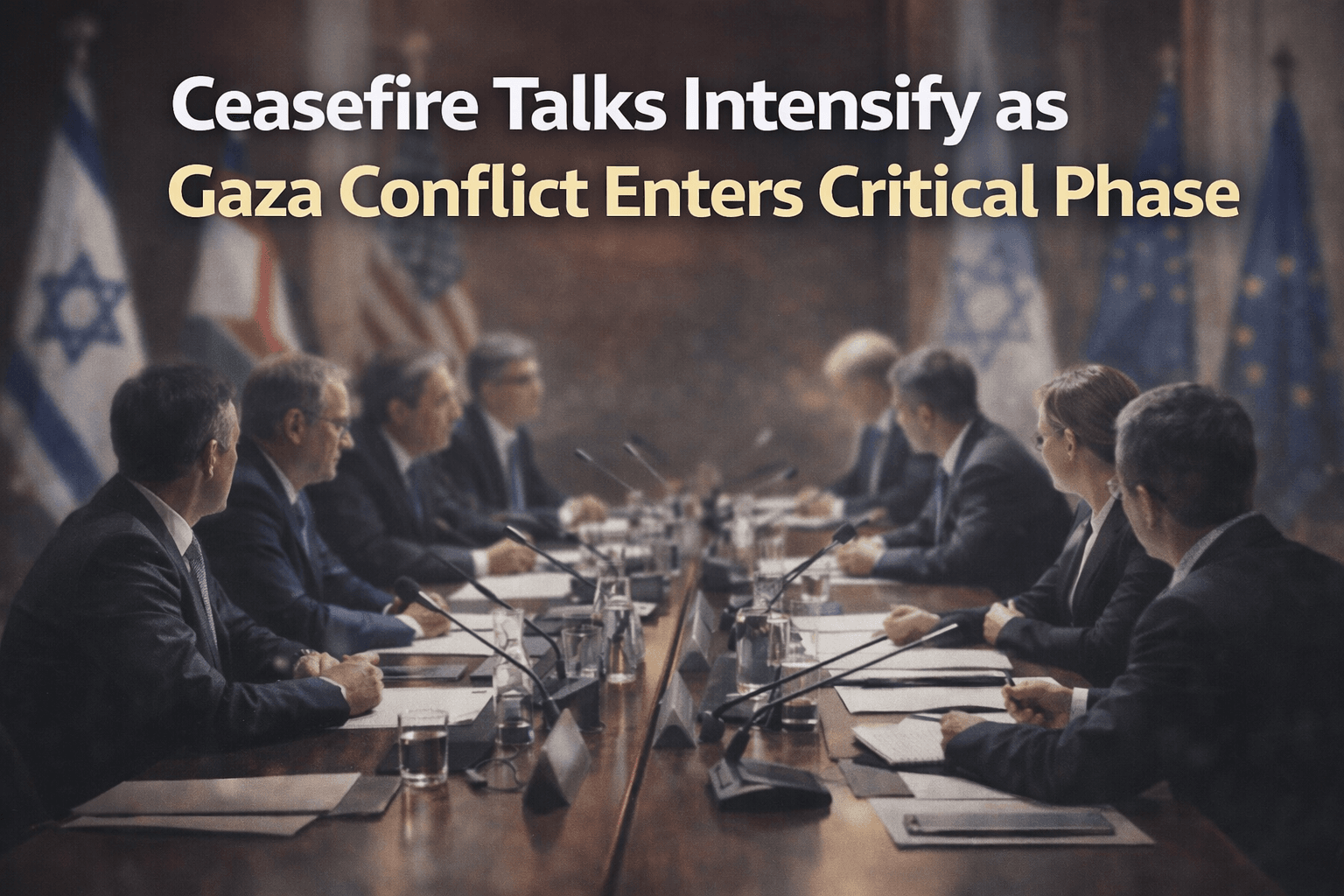
Ceasefire talks surrounding the Gaza conflict have entered a decisive phase, as international pressure mounts for an immediate halt to hostilities. Diplomatic efforts involving regional and global powers are intensifying, reflecting growing concern over the humanitarian toll and the risk of wider instability.
Officials close to the negotiations say discussions are more serious than in previous rounds, though significant obstacles remain. The coming days could prove pivotal in determining whether diplomacy can succeed where earlier attempts have failed.
🕊️ Why Ceasefire Talks Are Gaining Urgency
The renewed momentum comes amid escalating civilian suffering and international alarm. Aid agencies warn that conditions on the ground are deteriorating rapidly, with shortages of food, medical supplies, and clean water.
Governments and international organizations are increasingly vocal, arguing that a ceasefire is essential not only to save lives but also to prevent the conflict from spreading beyond its current boundaries.
Diplomatic sources indicate that pressure from allies, combined with regional mediation efforts, has pushed all sides to re-engage in talks.
🌐 International Diplomatic Efforts
Several key players are actively involved in the negotiations, including the United Nations, which continues to call for an immediate humanitarian pause.
The United States has also played a central role, urging restraint while supporting diplomatic channels. Meanwhile, European leaders from the European Union have echoed calls for de-escalation and increased humanitarian access.
Regional mediators are working behind the scenes to bridge gaps between the parties, focusing on security guarantees, prisoner exchanges, and humanitarian corridors.
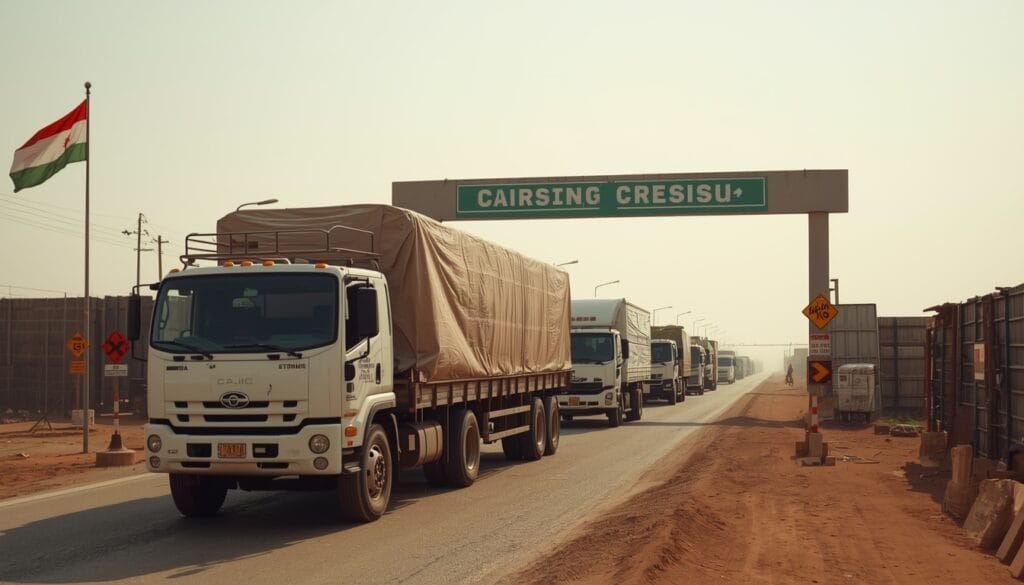
At the heart of the ceasefire push is a deepening humanitarian emergency. Hospitals are under severe strain, displaced families are living in overcrowded shelters, and aid organizations warn of long-term consequences if fighting continues.
International relief agencies stress that even a temporary ceasefire could:
Allow delivery of life-saving aid 🚑
Enable repairs to critical infrastructure
Reduce civilian casualties
Create space for broader political dialogue
Humanitarian concerns have become a key leverage point in the negotiations, shaping both public messaging and diplomatic strategy.
⚠️ Key Challenges to Reaching a Ceasefire
Despite renewed efforts, significant hurdles remain. Core disagreements persist over:
Security arrangements
Control of border crossings
Verification mechanisms
Long-term political outcomes
Analysts caution that ceasefires in the region have historically been fragile, often collapsing without robust enforcement mechanisms.
Trust deficits between the parties remain one of the biggest barriers to a lasting agreement.
📊 Global Markets and Political Impact
Beyond the immediate region, the conflict has wider implications. Energy markets, shipping routes, and regional stability are all closely tied to developments in Gaza.
Political leaders in the US and UK face domestic pressure as public opinion becomes increasingly engaged. Parliamentary debates, protests, and policy reviews have intensified, reflecting the conflict’s global resonance.
🔮 What Happens Next?
Diplomats say the next phase will focus on narrowing remaining gaps and translating broad commitments into concrete steps. While optimism is cautious, there is recognition that the current window for diplomacy may not remain open indefinitely.
Observers note that even a limited ceasefire could lay the groundwork for more comprehensive negotiations — but failure could deepen the crisis and harden positions on all sides.
https://app.leonardo.ai/
They are negotiations aimed at stopping fighting in Gaza through diplomatic agreements between the involved parties.
Why are ceasefire talks happening now?
Escalating humanitarian concerns and international pressure have made continued conflict increasingly unsustainable.
Is a permanent ceasefire likely?
Most analysts expect any agreement to begin as temporary, with permanence depending on compliance and follow-up negotiations.
Who is mediating the talks?
Regional mediators, supported by global actors such as the UN and major governments, are facilitating discussions.