

Introduction
The Video Assistant Referee (VAR) was introduced to football with a clear promise: to improve fairness and reduce refereeing errors. Instead, VAR has become one of the most hotly debated innovations in the sport’s history. From controversial offside calls to delayed goal celebrations, VAR has changed how football is played, watched, and judged.
Supporters argue that VAR enhances accuracy and justice, while critics believe it disrupts the flow of the game and creates new forms of controversy. As its use expands across major leagues and tournaments, the question remains: Is VAR making football fairer, or is it exposing serious flaws?
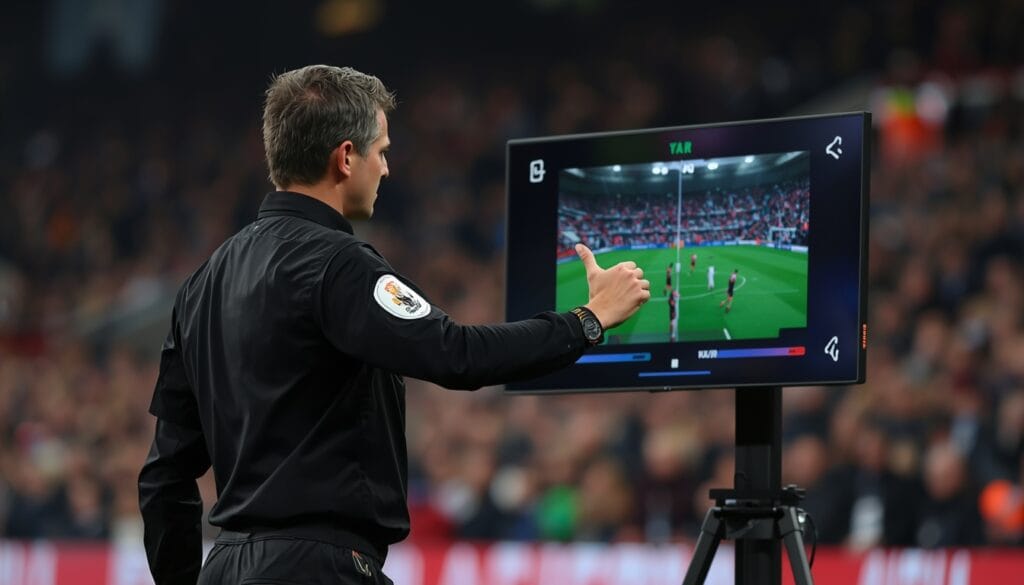
1. Improved Accuracy but Inconsistent Decisions
VAR was designed to eliminate clear and obvious errors, particularly in goals, penalties, red cards, and mistaken identity. In many cases, it has corrected major officiating mistakes that could have decided matches unfairly.
However, inconsistency remains a major concern. Similar incidents are often judged differently across leagues or even within the same competition. This lack of uniform interpretation has led fans and players to question whether VAR truly delivers fairness.
2. Offside Decisions Under the Microscope
One of the most controversial aspects of VAR is its application to offside calls. Tight decisions based on marginal body parts have sparked outrage among fans and pundits alike.
Critics argue that:
Millimeter-level offsides go against the spirit of the game
Attacking play is unfairly punished
Decisions feel overly technical rather than natural
Supporters counter that offside is a factual decision and accuracy should outweigh emotion.
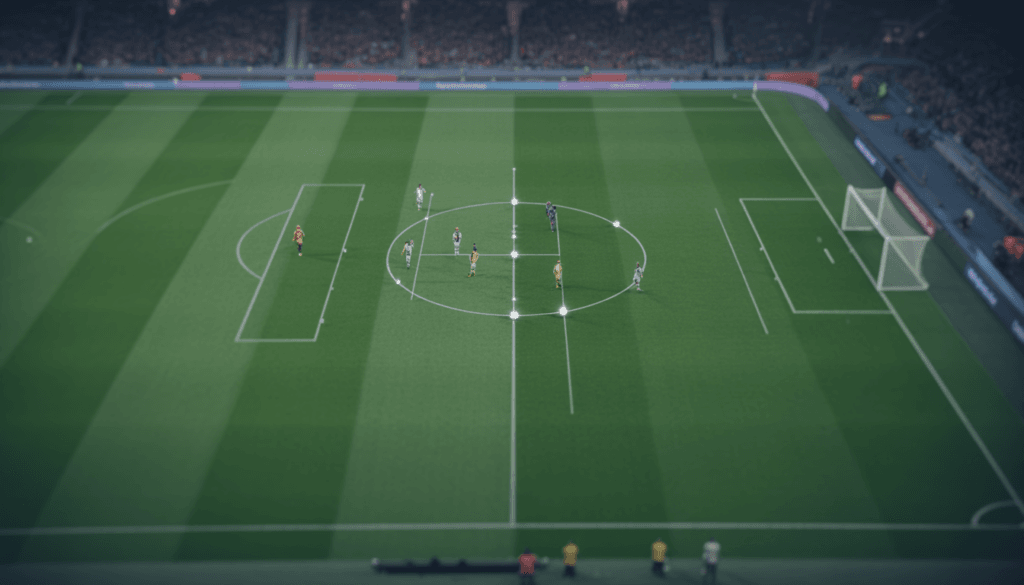
3. Impact on Game Flow and Emotion
Football thrives on emotion, spontaneity, and momentum. VAR reviews often lead to long pauses, disrupting the rhythm of matches and dampening goal celebrations.
Players and fans now hesitate before celebrating, waiting for confirmation. While fairness is important, many argue that VAR has taken away some of football’s raw excitement.
4. Referee Authority and Pressure
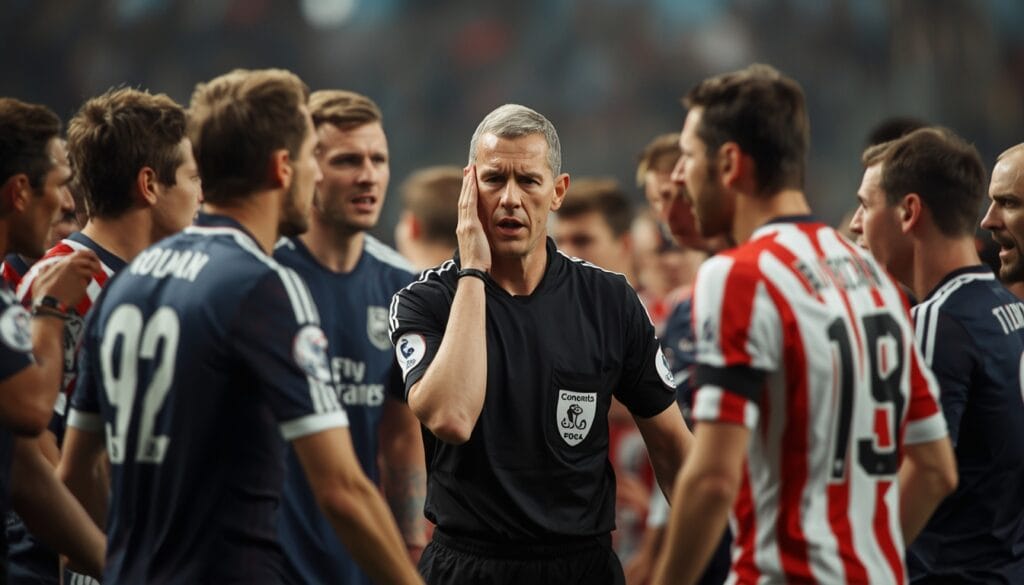
VAR has changed the role of on-field referees. While they remain the final decision-makers, constant intervention from video officials can undermine their authority.
Referees now face:
Increased scrutiny from fans and media
Pressure to rely on VAR rather than instinct
Criticism regardless of the final decision
This environment has made officiating more complex and stressful.
5. Transparency and Communication Issues
Another major criticism of VAR is the lack of transparency. Fans in stadiums and viewers at home are often left confused about the reasoning behind decisions.
Calls for improvement include:
Clearer explanations of decisions
Audio communication from referees
Better use of stadium screens
Greater transparency could help restore trust in the system.
The Case for VAR: Why It Still Matters
Despite its flaws, VAR has prevented countless incorrect decisions that would have had major consequences. Incorrect goals, missed red cards, and unfair penalties are now less common at the highest level.
VAR supporters argue that:
No system is perfect
Technology will improve over time
Fairness must come before entertainment
From this perspective, VAR is still evolving rather than failing.
Global Reactions From Players and Fans
Reactions to VAR vary widely. Some players appreciate the protection it offers against unfair decisions, while others criticize its unpredictability.
Fans remain deeply divided, with debates dominating social media, sports shows, and stadium chants. VAR has become part of football culture—for better or worse.
What the Future Holds for VAR
Football authorities continue to refine VAR rules and guidelines. Possible future improvements include:
Automated offside technology
Faster review processes
Clearer referee communication
The goal is to strike a better balance between fairness and the game’s natural flow.
Conclusion
The VAR controversy highlights football’s struggle to adapt technology without losing its soul. While VAR has undeniably improved decision accuracy, it has also introduced new frustrations and debates.
Whether VAR is ultimately seen as a success or a flaw will depend on how effectively football’s governing bodies address consistency, transparency, and game flow. For now, VAR remains one of the most divisive elements in modern football.
Frequently Asked Questions (FAQ)
1. What is VAR in football?
VAR stands for Video Assistant Referee, a system that helps referees review key match decisions using video footage.
2. Does VAR make football fairer?
VAR improves accuracy but suffers from inconsistent application, which fuels controversy.
3. Why are VAR offside decisions controversial?
Because very tight margins are used, leading to decisions that feel unnatural and against attacking play.
4. Can VAR decisions be overturned?
Yes, the on-field referee can overturn a decision after reviewing the footage.
5. Will VAR be improved in the future?
Football authorities are working on faster reviews, clearer rules, and improved communication.