
Introduction
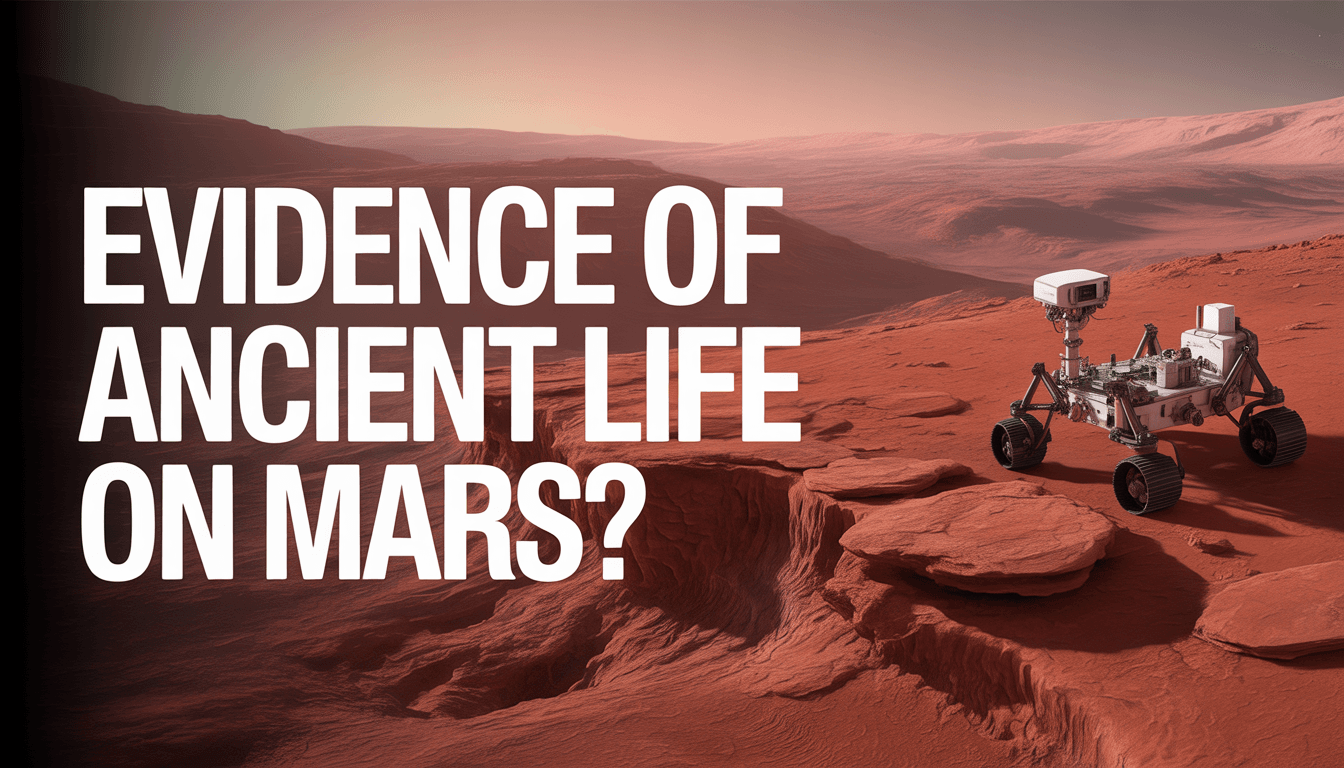
Recent Mars missions have delivered groundbreaking discoveries that are reshaping humanity’s understanding of the Red Planet. Scientists analyzing data sent back by advanced rovers have uncovered compelling clues that suggest evidence of ancient life on Mars may have once existed billions of years ago. While definitive proof remains elusive, the findings mark one of the most exciting chapters in space exploration history.
Mars, once believed to be a cold and lifeless world, is increasingly revealing signs of a more dynamic past—one that may have supported microbial life.
Why Scientists Are Searching for Life on Mars
Mars has long been considered the most promising candidate for extraterrestrial life within our solar system. Geological evidence indicates that the planet once had flowing water, lakes, and possibly oceans. These conditions are essential for life as we understand it.
NASA and other space agencies designed Mars missions with one core objective: search for biosignatures, or signs that life once existed. Recent discoveries suggest scientists may be closer than ever to answering one of humanity’s biggest questions—are we alone in the universe?
Ancient Riverbeds and Lake Evidence
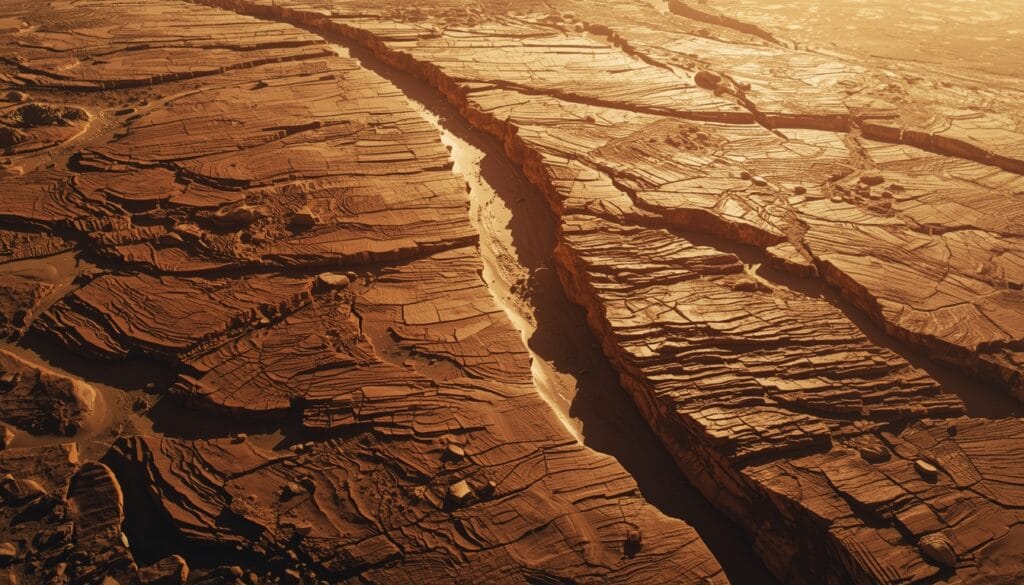
One of the most significant discoveries from recent Mars missions is the identification of ancient river channels and lakebeds. High-resolution images and soil analysis show layered sedimentary rocks, similar to those formed by water on Earth.
Scientists believe these regions once hosted stable bodies of water for millions of years. Such long-lasting aquatic environments could have provided the right conditions for microbial life to emerge and survive.
Organic Molecules Found on Mars
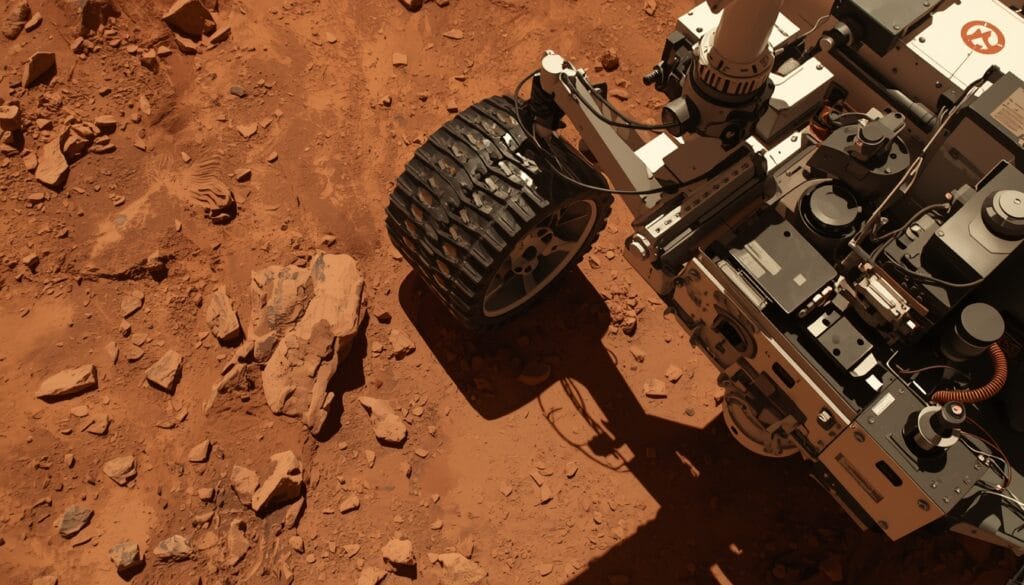
Another major breakthrough came when Mars rovers detected organic molecules preserved in ancient rocks. These carbon-based compounds are considered the building blocks of life.
While organic molecules can form through non-biological processes, their presence in sedimentary rocks strengthens the possibility that Mars once supported life-friendly environments. Researchers emphasize that this discovery does not confirm life but significantly increases the likelihood.
Clay Minerals and Habitability
Mars missions have also discovered clay minerals, which form in the presence of water. On Earth, clay preserves organic material exceptionally well, making it a prime target in the search for ancient life.
The detection of these minerals suggests Mars once had a neutral, less acidic environment—conditions favorable for microbial life to develop and thrive.
Methane Mysteries in the Martian Atmosphere
One of the most intriguing findings involves fluctuating methane levels in Mars’ atmosphere. On Earth, methane is often produced by living organisms, although geological processes can also generate it.
The seasonal spikes in methane detected by Mars missions remain unexplained. Scientists continue to study whether these emissions are geological or biological in origin, keeping the debate about ancient life alive.
Sample Collection for Future Study
Modern Mars rovers are not just analyzing the planet—they are collecting samples for future return to Earth. These carefully sealed rock and soil samples may eventually be studied with advanced laboratory equipment far beyond what is possible on Mars.
Experts believe these samples could provide the clearest evidence yet of ancient microbial life if biosignatures are present.
What This Means for the Search for Extraterrestrial Life
If evidence of ancient life on Mars is confirmed, it would have profound implications for science. It would suggest that life can emerge under a wider range of conditions than previously believed, increasing the possibility that life exists elsewhere in the universe.
Such a discovery would also reshape our understanding of Earth’s history and the resilience of life itself.
Challenges and Scientific Caution
Despite the excitement, scientists urge caution. Mars research follows strict verification processes, and extraordinary claims require extraordinary evidence. Current findings are promising but not definitive.
Researchers continue to analyze data, refine instruments, and plan future missions to confirm these discoveries beyond doubt
The Future of Mars Exploration
Upcoming Mars missions aim to expand on these discoveries by exploring new regions, drilling deeper beneath the surface, and returning samples to Earth. Each mission brings humanity closer to understanding whether Mars was once alive.
The Red Planet continues to surprise scientists, proving that exploration often leads to more questions than answers—but also to incredible discoveries.
❓ FAQs
Q1: Has life been confirmed on Mars?
No, life has not been confirmed yet. Scientists have found strong indicators that Mars once had conditions suitable for life.
Q2: What evidence suggests ancient life on Mars?
Evidence includes ancient riverbeds, organic molecules, clay minerals, and methane fluctuations.
Q3: Why is water important in the search for life on Mars?
Water is essential for life as we know it and helps preserve potential biosignatures.
Q4: What role do Mars rovers play in this research?
Rovers analyze soil, rocks, atmosphere, and collect samples for future study.
Q5: Will Mars samples be brought back to Earth?
Yes, future missions plan to return collected samples for advanced laboratory analysis.
1 thought on “Discoveries From the Mars Mission That Suggest Evidence of Ancient Life”